Is India Truly Minimalist?
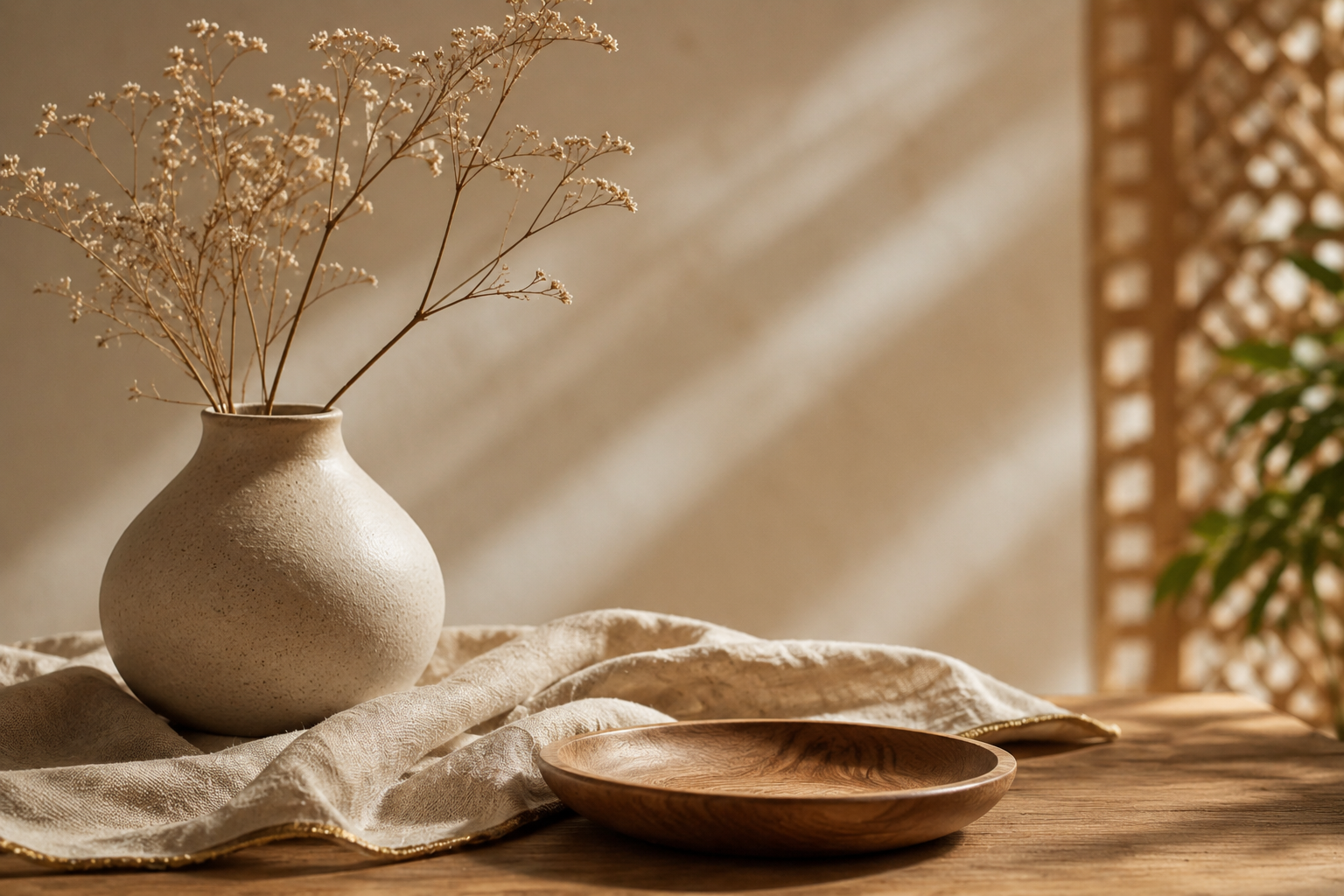
Somewhere between beige Pinterest walls and warm diffused lighting, we started believing that minimalism is our identity. That clean lines and empty corners are somehow a sign of sophistication. That less is not just more , it is better. It has evolved. It is what a cultured, well-travelled person chooses.
But is it, really?
Because when I look back at what this land actually built, what it actually celebrated, what it actually stood for ,none of it was minimal. Not even close.
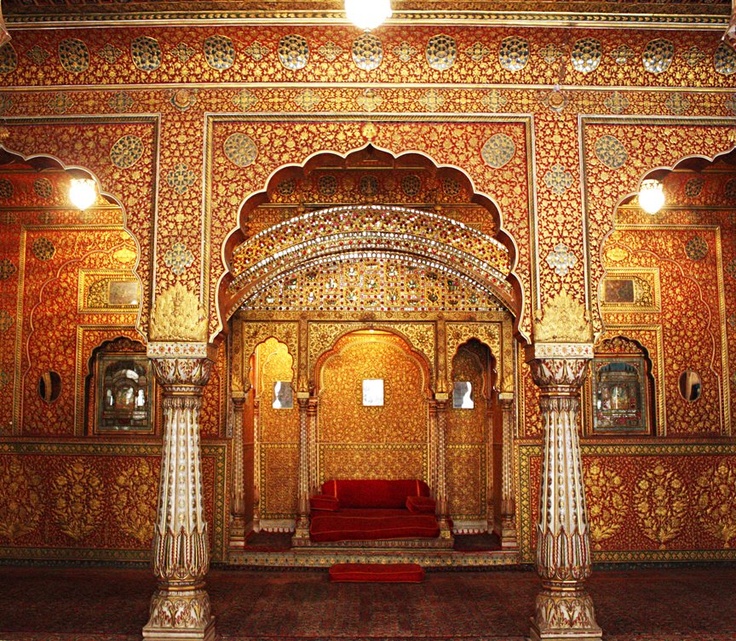
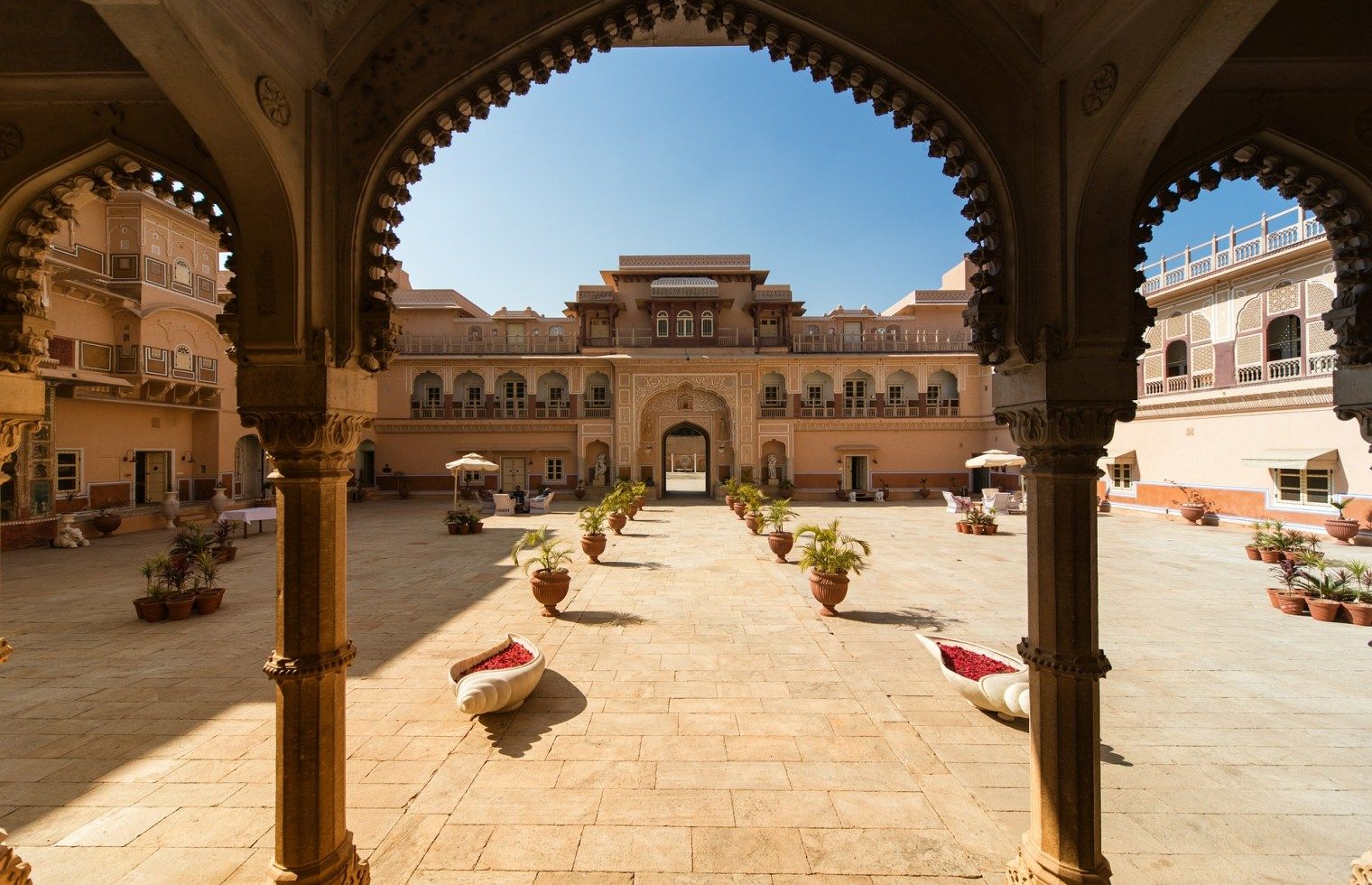
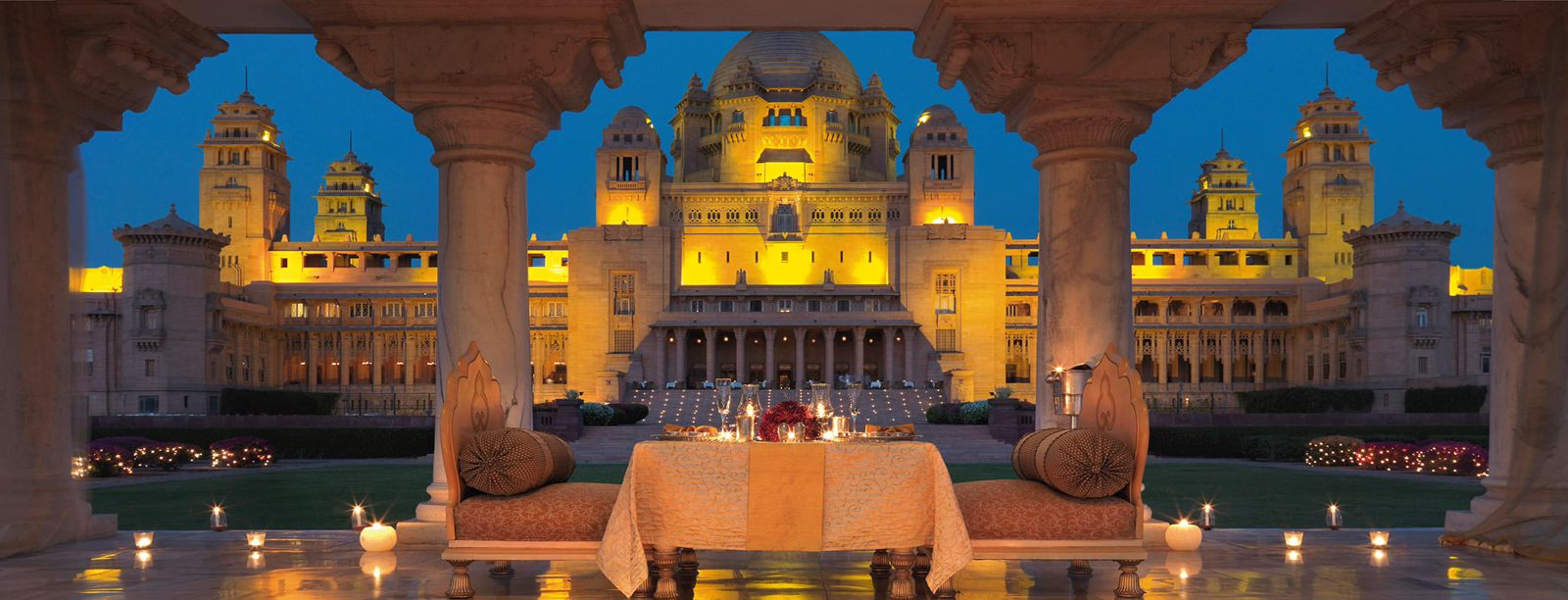
We come from a land that built forts and palaces that were built not just as structures, but as statements. As declarations of who we were and what we believed beauty is. The Amer Fort’s Sheesh Mahal has dedicated an entire room lined in mirrored glass so that a single flame could illuminate the whole space like a sky full of stars. The havelis of Rajasthan were designed so every wall carried a story, every pillar held a poem, and every doorway was an event in itself. The Chettinad mansions of Tamil Nadu with their 10-foot teak doors and Italian marble floors because the people who built them refused to choose bland aesthetics and tried to express their stories and their voice.
This was a land celebrated for its grandeur. For bold colours that didn’t whisper ,they announced. For intricate carvings that took generations of hands to finish. For massive chandeliers that hung like small suns in lobbies designed to make you feel something the moment you walked in. Spaces that said: you are somewhere. You are in India.
Yet today, we find ourselves drawn to bland aesthetics. Washed-out walls. Furniture with no personality. Spaces carefully designed to offend no one and move no one and interiors that could easily belong to a flat in Stockholm or a café in Melbourne.
Spaces that could belong anywhere in the world but not India.
And somewhere in that pursuit, something quietly slipped away.
It happened gradually, the way most cultural losses do. We started equating global with good. Neutral with refined. Anything too colourful, too ornate, too layered became too much. Became embarrassing. Became something your parents liked but you had grown out of. Good taste started being measured by how closely your living room resembled a Copenhagen apartment or a Japanese tea house. Local became peculiar . And peculiar was the last thing any of us wanted to be.
So in chasing clean and minimal, we lost a little bit of our charm on the Pinterest feed. We traded the peacock for the pigeon. We swapped the hand-painted mural for a blank accent wall. We called it growth. We called it taste. But really, it was just mimicry and we were too busy being flattered by the imitation to notice what we were giving up.
Now, to be fair ,minimalism is not the enemy. Clean spaces have their place. Stillness and simplicity have genuine value, and there is real beauty in restraint. But there is a fundamental difference between choosing simplicity and being ashamed of complexity. One is a design philosophy. The other is a quiet identity crisis dressed up in neutral tones.
The question was never whether minimalism is beautiful. The question is: why did we assume it was more beautiful than what we already had?
So the question isn’t whether India is minimalist. India was never minimalist not in its architecture, not in its textiles, not in its festivals, not in its food, not in the way it has always lived and celebrated and mourned and loved. Every tradition we have is layered. Every celebration is abundant. Every form of Indian craft is a refusal to leave any surface untouched, any story untold.
The real question is: Is India still India?
Or have we become so fluent in other people’s aesthetics that we’ve forgotten how to speak our own?
Because the answer won’t be found in what we build next. It will be found in what we choose not to throw away. Our grandmothers didn’t live in beige. Their homes had colour and weight and meaning embedded in every corner. Something hung on every wall. Something sat on every shelf. And none of it was there by accident ,it was all there because beauty was considered necessary, not excessive.
Maybe it’s time we remembered that.
Maybe sophistication was never about doing less. Maybe, for us, it was always about doing it with everything we had.