

A Police Station reimagined as a Holy, Heritage Structure
Designing civic bodies comes with aplenty roadblocks already. Now imagine: “a 125-year-old historic building, preserved and refurbished as a holy, heritage structure – equipped with the latest facilities to support contemporary use”. The idea could sound unattainable, even to the most seasoned amongst the design community. However, the challenge seemed to be well-taken by this adept design team based in Varanasi.
Located at the heart of the old city, the recent restoration of Chowk Thana speaks volumes about the dedication and design abilities of the firm. In a DUnFiltered conversation, they divulged interesting details about the entire design process. What went behind restoring a place of administration as a cultural asset that exudes devotion? How it came about to reimagine a historic police station as a welcoming heritage landmark — all while upgrading it to function as an advanced civic body? Keep reading to unfold more.
The renovation of Chowk Thana, wherein a 125-year-old building was supposed to be redesigned not only as a well-equipped civic body but also as a heritage site. The station’s proximity to the Kashi Vishwanath Temple may have inspired this idea, which seems quite pious. Located in one of the oldest and most vibrant parts of the city, the project views the building not just as a police station, but as an integral part of the area’s history and cultural heritage.
Consequently, the new design focuses on balancing respect for the past with present-day and future needs. The original architectural character—its form, materials, and details—has been carefully preserved, while changes have been made to improve how the spaces function. The internal layout has been reorganized to make movement easier, create a clear separation between public and private areas, and make the building more user-friendly.
Traditional materials and textures have been restored wherever possible. These are paired with simple, modern additions that support the building’s use without overpowering its historic identity. The idea is to create a smooth connection between old and new, where both can exist together naturally.
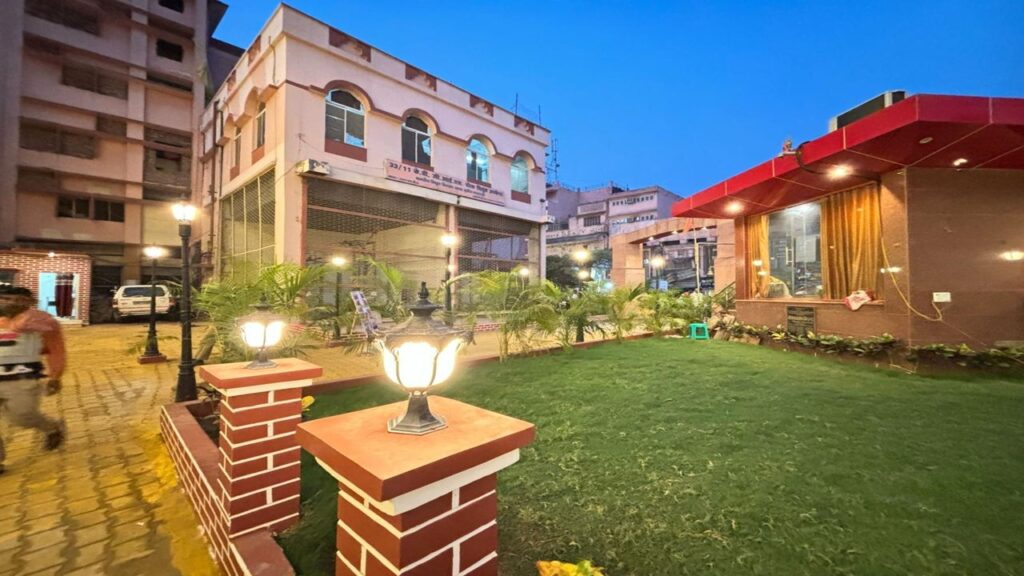
Special attention has also been given to light, ventilation, and overall comfort. The aim is to make the space feel more open and welcoming — for both the people working there and the public who visit.
To conclude, the project turned Chowk Thana into more than just a functional building. It becomes a meaningful civic landmark that reflects the culture and history of Varanasi, while continuing to serve the needs of the present. These are some of the rare architectural gems, team DU keeps yearning for… to unearth and feature. If you have one such story too, don’t hesitate to share. We would love to feature.
Location: Near Kashi Vishwanath Temple, Varanasi
Firm: Neelaya By Priya Singh
Architect: Ar. Priya Singh
More: https://designunfiltered.com/
FAQs
1. What is special about the Chowk Thana restoration in Varanasi?
The Chowk Thana restoration is unique because a 125-year-old police station has been transformed into a heritage landmark while still functioning as a modern civic body. The project preserves its original architectural character while integrating contemporary facilities, creating a balance between history and present-day usability.
2. Why was Chowk Thana redesigned as a heritage structure?
Chowk Thana was redesigned as a heritage structure due to its historical significance and its location near the Kashi Vishwanath Temple. The redesign reflects the cultural and spiritual essence of the area, turning the building into a civic space that also represents Varanasi’s heritage and identity.
3. How does the design balance heritage and modern functionality?
The design carefully preserves traditional materials, textures, and architectural elements while introducing modern layouts for better space utilization. Improvements in lighting, ventilation, and movement flow ensure the building is user-friendly, comfortable, and efficient without compromising its historic identity.
[…] More:- https://designunfiltered.com/varanasi-heritage-police-station-renovation/ […]
Comments are closed.