The World Is Moving Downwards
With surface land running out, cities worldwide are turning to the earth beneath their streets as the next frontier for growth, infrastructure, and public life
By 2050, the United Nations projects that 68 percent of the global population — roughly 2.5 billion additional people — will live in cities. The land required to house, move, and serve them simply does not exist above ground. The result is a quiet but accelerating shift in how urban planners and engineers think about space: not as a flat surface, but as a volume, the vast majority of which remains untapped below street level.
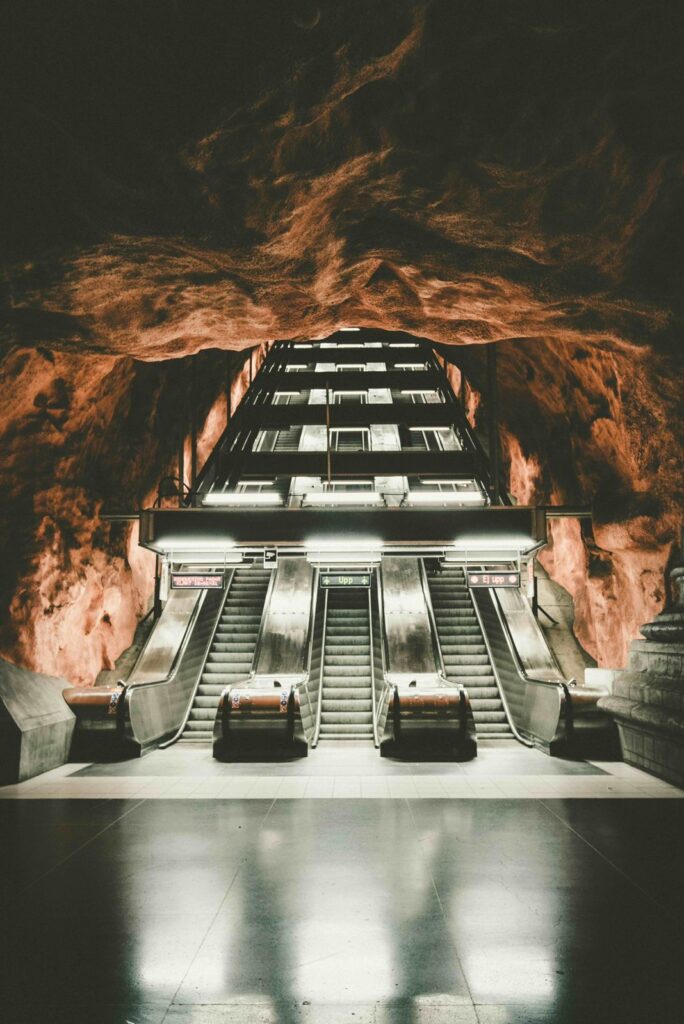
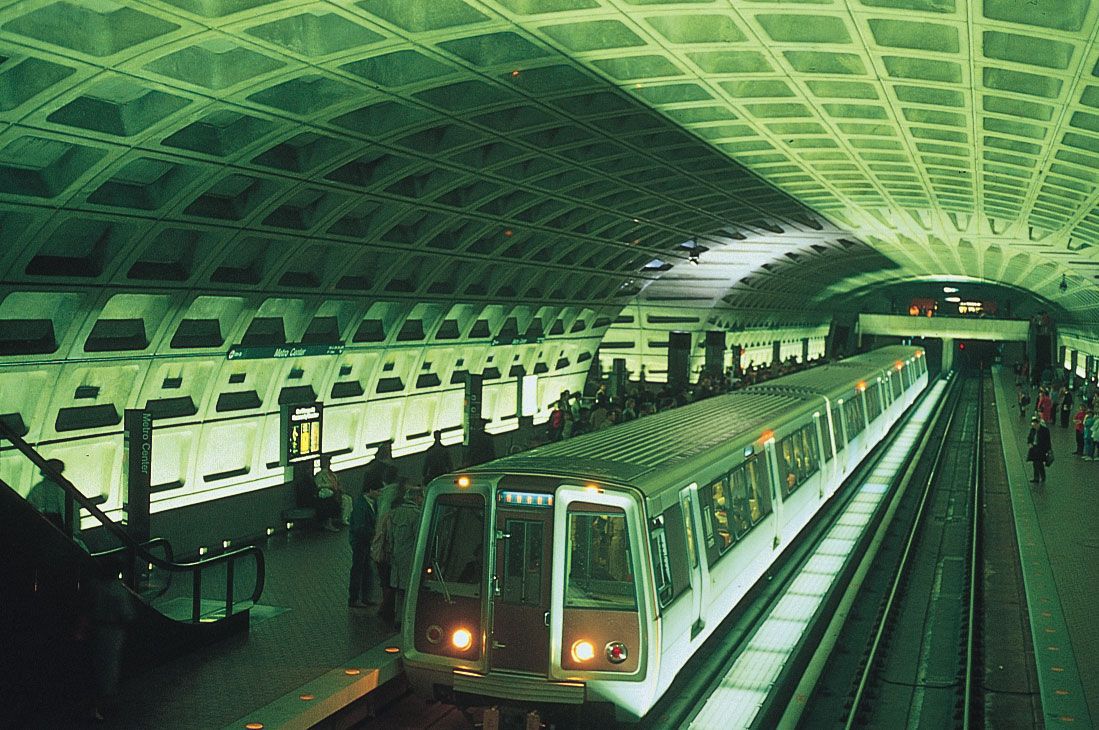
Underground transport networks are the most established example. Metro systems in Delhi,Tokyo, London, Seoul, and Paris collectively move hundreds of millions of passengers daily, relieving pressure on surface roads while freeing up land above. Riyadh’s 176-kilometre metro, currently one of the largest under construction anywhere, reflects how even newer, car-dependent cities are committing to subterranean transit as a primary urban solution.
Beyond transport, cities are relocating entire categories of function underground. Toronto’s PATH network connects over 1,200 buildings across 30 kilometres of pedestrian corridors, keeping foot traffic flowing regardless of weather. Helsinki’s Underground Master Plan maps more than 400 facilities beneath the city where data centres, swimming halls, and service tunnels deliberately freeing the surface for housing and green space. Singapore is pursuing a similar strategy, with plans to move utilities, storage, and industrial operations underground at scale.
Underground construction is expensive — typically two to five times the cost of surface building — and demands careful management of geology, ventilation, and human psychology. Poorly designed underground spaces are alienating; the best ones, like Foster’s Canary Wharf station or Copenhagen’s Metro concourses, prove that subterranean environments can be architecturally compelling and genuinely liveable.
The next wave includes underground farms using LED lighting to grow food in disused tunnels, and expanded civic institutions — libraries, museums, and public halls — built below grade to reclaim the surface for other uses. What was once purely a space for utilities and transit is becoming a serious second layer of the city. As surface land grows scarcer and more expensive, going underground is no longer an engineering last resort. It is a considered urban strategy — and one that is only gathering pace.