DUnFiltered Perspectives- Capitalism in Architecture: Understanding why “prioritizing profit” is a real thing?
Architecture was once considered an act of devotion. The craftsmen who laid the foundations of Gothic cathedrals weren’t sure if they would ever see the finished spire. The artisans who carved temple facades worked not for a quarterly return, but for something they believed would outlast them. For them, buildings were never mere brick and mortar but promises set in stone.
That world, we’re afraid, is largely gone.
Today, when buildings are evaluated per square foot even before the first sketch is drawn, one has to wonder whether we still value the creativity that goes into architecture, or have we learned to simply price it?
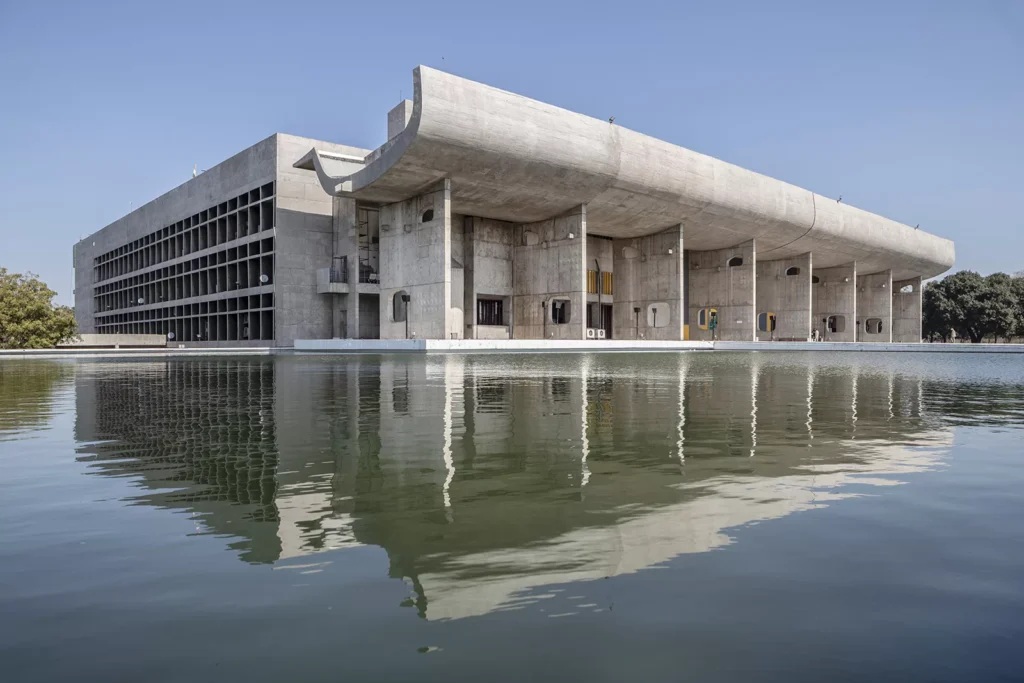
Delving further into it, we see two extremes. At one end: market-driven, often-monotonously-designed, skyscrapers built mostly using glazed glass with their roofs and profit-making hopes touching the sky. The other end, however, tells a sad story of that innovation-laden, visionary architecture that just exists. Often underestimated and born from the brains and sweat of anonymous, these projects hardly see the light of day.
Unfortunately, both ends sail forward to tell the same story.
The untold story of people ranging from contractors to those who have actually laid down the bricks. Capitalism did not simply change what buildings look like. It changed who bears the cost of building them, and who gets to claim the credit.
Architectural Buildings or Marketing Commodities?
Under capitalism, buildings are not primarily designed to serve society but rather designed to sell to the people who can afford to buy them. Luxury condominiums are marketed not as homes but as “curated living experiences.” Commercial developments don’t offer spaces; they offer “destinations.” The language of architecture has been quietly replaced by the language of real estate.
There are definitely defenders of capitalism, and they certainly are right in doing so because Zaha Hadid produced structures of breathtaking originality. But look closely at who funded these buildings: city governments chasing tourism revenue, billionaires performing cultural philanthropy, corporations investing in iconic headquarters as brand strategy. These are not counterarguments to the critique of capitalism’s influence on architecture. They are the clearest illustrations of creativity as spectacle, innovation as investment.
The sharpest measure of what changed is simply the question: for whom is the architecture being built?
For most of human history, the grandest built environments were public. They belonged, in some meaningful sense, to everyone. Today, the most celebrated and most expensive buildings are private. The public inherits the leftovers: underfunded schools built to the lowest specification, social housing that signals to its residents exactly how much they are valued, urban streetscapes designed around cars and commerce rather than people and community.
When the client is a developer, and the end user is a buyer, the architect becomes a translator between profit motive and physical form. In that transaction, something essential is lost — the idea that a building might exist not to generate returns, but to mean something.
The final truth.
The question is not whether great architecture is still possible. It is. The question is what we are willing to organise economically, politically, culturally in order to make it the rule rather than the exception.
Architecture is, at its core, a social art. It shapes how we move through the world, how we feel within spaces, how we understand our place in a community and in time. When we reduce it to a product, we do not just diminish the buildings. We diminish ourselves — our capacity to imagine that the world around us could be built with care, with vision, and for everyone.
The blueprint already exists. We just need the will to build from it.