

India’s luxury design landscape is evolving faster than ever. From ultra-modern residences and premium hospitality spaces to high-end commercial interiors, architects and designers are increasingly embracing imported materials to create sophisticated, globally inspired environments. Today, luxury is no longer defined solely by scale or ornamentation—it is shaped by experience, detailing, craftsmanship, and materiality.
As global design influences continue to enter the Indian market, imported marble, engineered wood, luxury lighting, Italian finishes, textured surfaces, designer hardware, and premium glass solutions are becoming integral to contemporary Indian architecture and interiors. These materials not only elevate aesthetics but also redefine functionality, durability, sustainability, and spatial experience.
The rise of imported materials in Indian luxury design reflects a deeper transformation in how modern India perceives luxury living, architectural identity, and global design standards.
The Growing Demand for Imported Materials in India
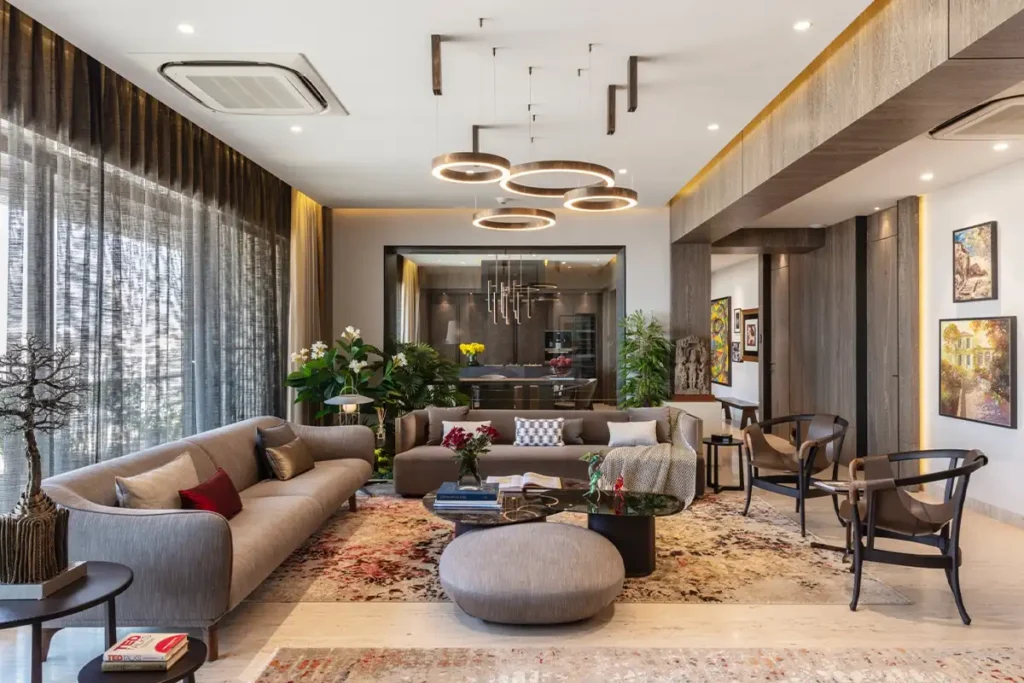
Over the past decade, India’s luxury real estate and interior design sectors have witnessed remarkable growth. Homeowners, developers, hospitality brands, and architects are now prioritizing exclusivity, premium finishes, and globally inspired aesthetics.
Imported materials have become a symbol of refined luxury because they often offer:
- Superior craftsmanship
- Innovative textures and finishes
- Advanced technology
- Better durability
- Global design appeal
- Unique visual identity
Whether it is Italian marble in luxury residences, German hardware in modular kitchens, Spanish tiles in hospitality projects, or Scandinavian wood finishes in contemporary interiors, imported materials are reshaping how premium Indian spaces are designed.
This shift is especially visible in metropolitan cities where modern architecture increasingly blends global sophistication with Indian sensibilities.
Why Imported Materials Define Modern Luxury Design
Luxury design today is deeply connected to personalization and experience. Imported materials help architects and interior designers create spaces that feel timeless, curated, and internationally inspired.
1. Elevated Aesthetics:- One of the biggest reasons imported materials are gaining popularity is their unmatched visual appeal. International manufacturers continuously innovate in texture, color palettes, surface technologies, and finishes.
From book-matched marble surfaces to seamless metallic textures and ultra-matte finishes, imported materials help create spaces that stand out visually while maintaining elegance and minimalism.
Modern luxury interiors are now moving toward:
- Clean lines
- Neutral palettes
- Natural textures
- Layered lighting
- Minimal detailing
- Premium tactile finishes
Imported materials complement this global luxury aesthetic perfectly.
2. Better Durability and Performance:- Luxury is no longer only about appearance—it is also about longevity and performance.
Imported materials often undergo advanced manufacturing and quality testing processes. This makes them highly durable, stain-resistant, moisture-resistant, and suitable for modern urban lifestyles.
Architects prefer imported solutions because they:
- Reduce maintenance issues
- Improve functional performance
- Offer long-term value
- Maintain finish quality over time
For high-traffic luxury environments such as hotels, villas, lounges, and premium offices, performance-driven materials are essential.
3. Innovation in Architectural Design:- Modern Indian architecture is becoming increasingly experimental. Designers are now exploring:
- Large-format surfaces
- Smart facades
- Sustainable materials
- Acoustic solutions
- Energy-efficient glazing
- High-performance engineered surfaces
Many imported materials support these innovations through advanced technology and specialized manufacturing.
This enables architects to create:
- Sleek contemporary structures
- Sustainable buildings
- Smart luxury homes
- Experience-driven interiors
The integration of global materials is helping Indian architecture align with international design standards.
The Influence of Global Design Trends in India
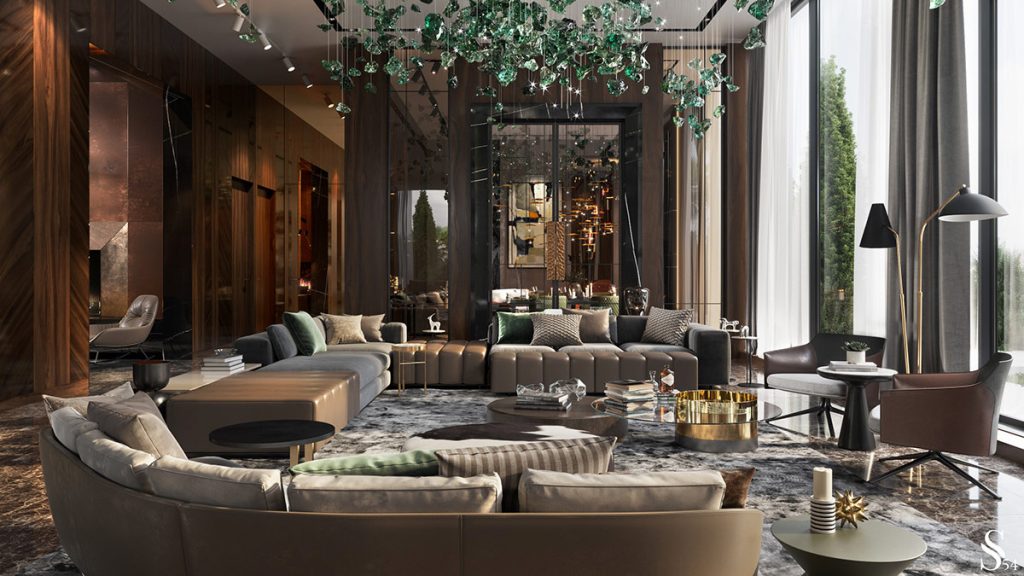
Digital exposure, international travel, luxury hospitality experiences, and social media platforms have significantly influenced Indian consumers. Homeowners are now more aware of global design trends than ever before.
As a result, there is increasing demand for:
- Italian marble
- European lighting
- Imported veneers
- Designer sanitaryware
- Premium stone finishes
- Luxury metal accents
- Smart architectural systems
Modern clients seek spaces that reflect global sophistication while retaining emotional warmth and cultural relevance.
This has encouraged designers to blend imported materials with Indian craftsmanship to create a balanced and unique design language.
Imported Materials in Luxury Hospitality Design
The hospitality industry has played a major role in accelerating the use of imported materials in India.
Luxury hotels, boutique resorts, premium lounges, and fine-dining spaces focus heavily on immersive guest experiences. Materials directly influence how a space feels emotionally and visually.
Imported finishes help hospitality spaces achieve:
- International luxury standards
- Refined ambience
- Superior tactile experience
- Contemporary visual storytelling
From marble-clad lobbies and textured wall systems to designer lighting and bespoke furniture finishes, imported materials contribute significantly to hospitality aesthetics.
Today, experiential luxury has become a defining factor in hospitality architecture.
Sustainability and Smart Material Choices
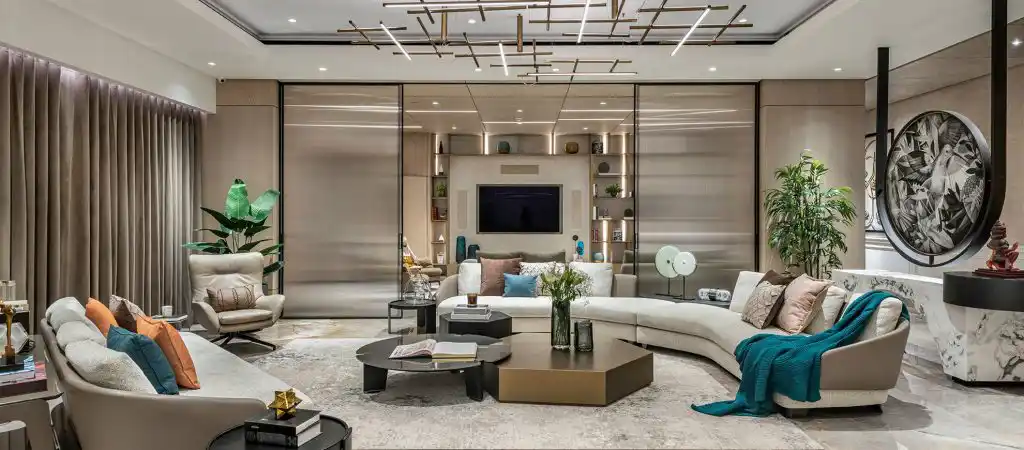
Interestingly, the future of luxury design is not just about extravagance—it is also about sustainability.
Many international manufacturers are now producing:
- Recycled surfaces
- Low-emission materials
- Sustainable engineered wood
- Energy-efficient glass
- Eco-conscious finishes
Indian architects and developers are increasingly selecting imported materials that align with green building standards and sustainable construction practices.
This shift reflects a growing awareness that modern luxury should also be environmentally responsible.
The Balance Between Indian Identity and Global Luxury
Despite the rise of imported materials, Indian luxury design is not losing its cultural identity. In fact, the most successful projects today combine global materials with local craftsmanship.
Architects are blending:
- Imported stone with handcrafted details
- Modern surfaces with traditional textures
- Contemporary layouts with Indian spatial sensibilities
This fusion creates spaces that feel modern yet deeply connected to Indian culture.
The future of Indian luxury design lies in this balance—where international sophistication meets regional authenticity.
The Future of Imported Materials in Indian Design
As India’s luxury market continues to expand, imported materials will play an even larger role in shaping architecture and interiors.
Future trends may include:
- Smart materials
- Sustainable luxury finishes
- AI-integrated surfaces
- Interactive architectural systems
- Biophilic material innovation
- Ultra-minimal premium interiors
Designers are now moving beyond conventional luxury and focusing on sensory experiences, sustainability, personalization, and timeless aesthetics.
Imported materials will continue to influence this transformation by enabling architects and designers to push creative boundaries while meeting evolving client expectations.
Conclusion
Imported materials are no longer just decorative additions in Indian architecture and interiors—they have become essential elements of modern luxury design. From aesthetics and innovation to sustainability and performance, these materials are transforming how contemporary Indian spaces are imagined and experienced.
As India embraces a more global design perspective, the integration of imported materials with local craftsmanship is creating a new era of architectural expression—one that is sophisticated, functional, culturally rooted, and future-ready.
Luxury design in India is evolving, and imported materials are undeniably at the center of this transformation.
FAQs
1. Why are imported materials popular in Indian luxury design?
Imported materials are popular because they offer premium aesthetics, advanced technology, durability, innovative finishes, and international design appeal that elevate luxury spaces.
2. Which imported materials are commonly used in Indian architecture and interiors?
Italian marble, European lighting, Spanish tiles, German hardware, engineered wood, premium glass systems, and designer surface finishes are widely used in modern luxury projects.
3. Are imported materials sustainable for modern architecture?
Many international manufacturers now produce eco-friendly and sustainable materials, including recycled surfaces, low-emission finishes, and energy-efficient architectural solutions suitable for green buildings.
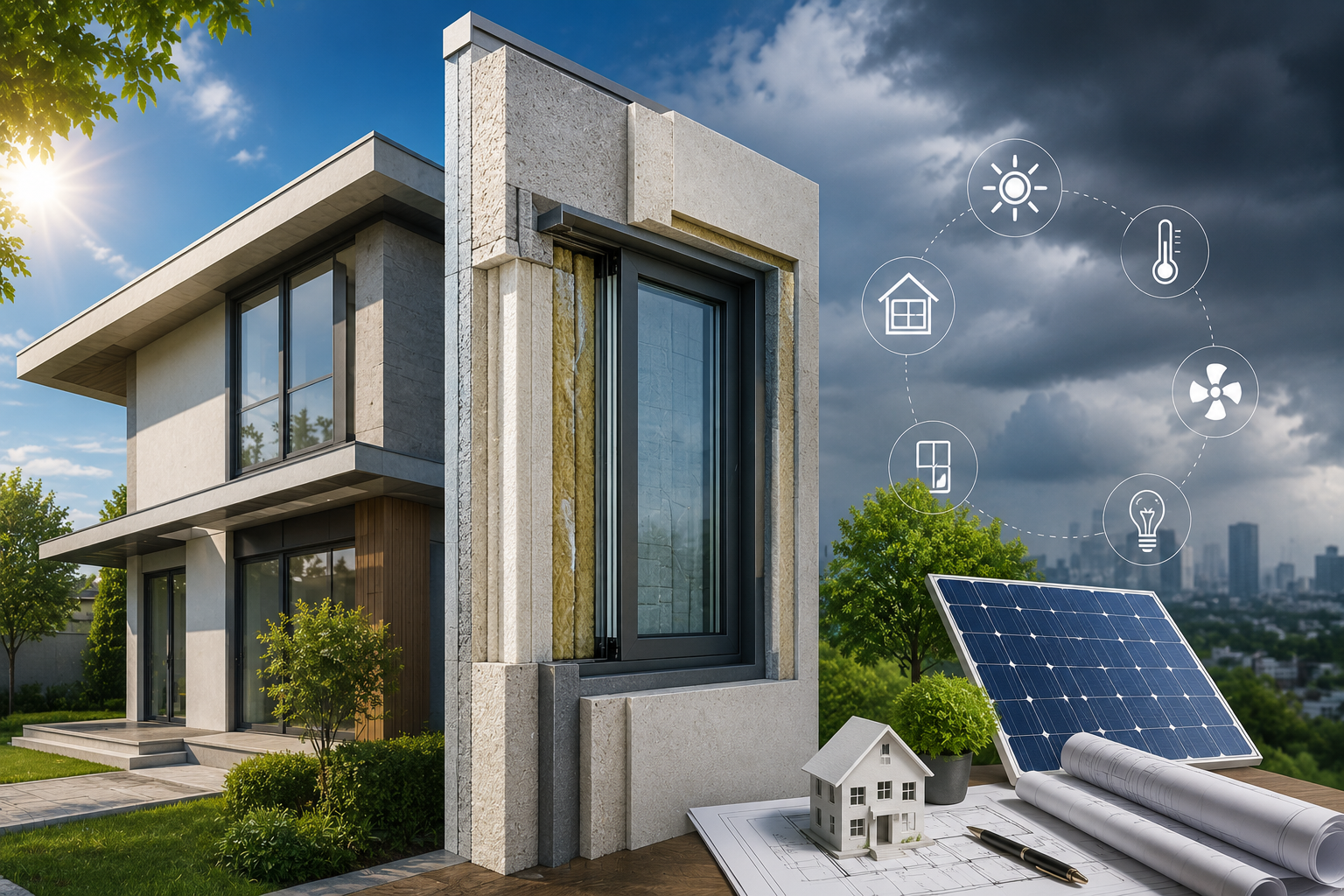


[…] a glass-wrapped tech campus in Pune’s Hinjewadi. You paused, looked up, and felt something. Luxury Design Trends today are not just about aesthetics they are about […]