

India is going through one of the biggest urban transformations in the world. Every year, millions of people move to cities in search of better jobs, education, healthcare, and lifestyle opportunities. According to recent estimates, by 2036 nearly 640 million Indians will live in urban areas. This rapid urban growth means India must build new homes, offices, roads, transport systems, and public infrastructure at an enormous scale.
But this growth also raises an important question: how can Indian cities continue developing without damaging the environment? The answer lies in creating sustainable cities in India through smarter planning, eco-friendly infrastructure, and climate-conscious architecture.
Today, many green cities in India are taking major steps toward sustainability. From renewable energy projects and electric public transport to green buildings and smart water systems, Indian cities are slowly moving toward a cleaner and healthier future. This shift is not just about environmental protection it is also about improving the quality of urban life for future generations.
At the same time, platforms like Design Unfiltered are helping readers understand architecture, modern design, urban innovation, and sustainable living in a simple and engaging way. As awareness about sustainable urban development grows, more people are becoming interested in how design and sustainability can work together to build better cities.
The Growing Importance of Sustainable Urban Development
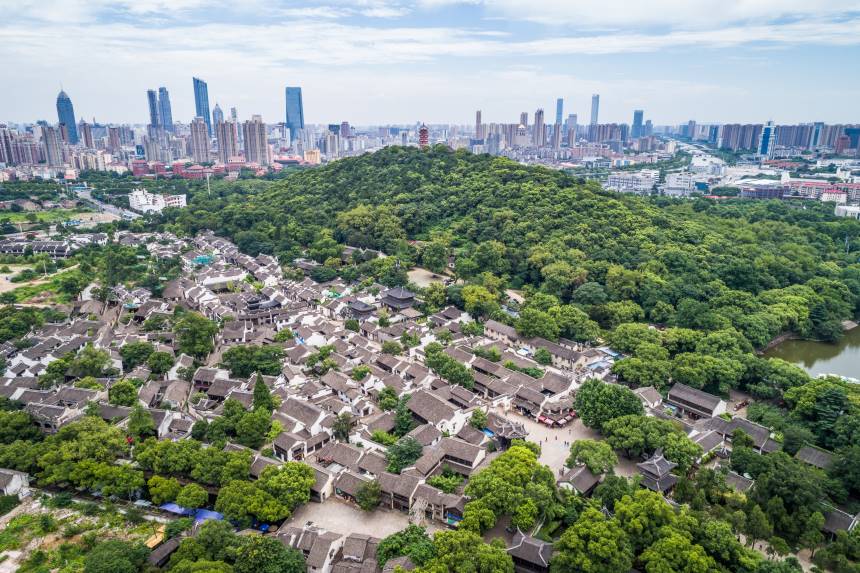
Urbanization has brought economic growth and modern infrastructure to India, but it has also created major environmental challenges. Pollution, traffic congestion, rising temperatures, water shortages, and waste management problems are becoming common in many urban areas.
Because of this, sustainable urban development has become essential for India’s future. Sustainable development focuses on building cities that balance economic progress with environmental responsibility. The goal is to create urban spaces that meet present needs without harming future generations.
More:- https://designunfiltered.com/century-old-school-redevelopment-banda/
Modern city planning is now focusing on reducing carbon emissions, conserving natural resources, and improving energy efficiency. Governments, architects, businesses, and citizens all play a role in making urban development more sustainable.
The idea of sustainability is no longer limited to large corporations or luxury projects. Today, even residential communities, schools, offices, and public spaces are adopting environmentally friendly practices.
Sustainable Architecture: More Than Just Solar Panels
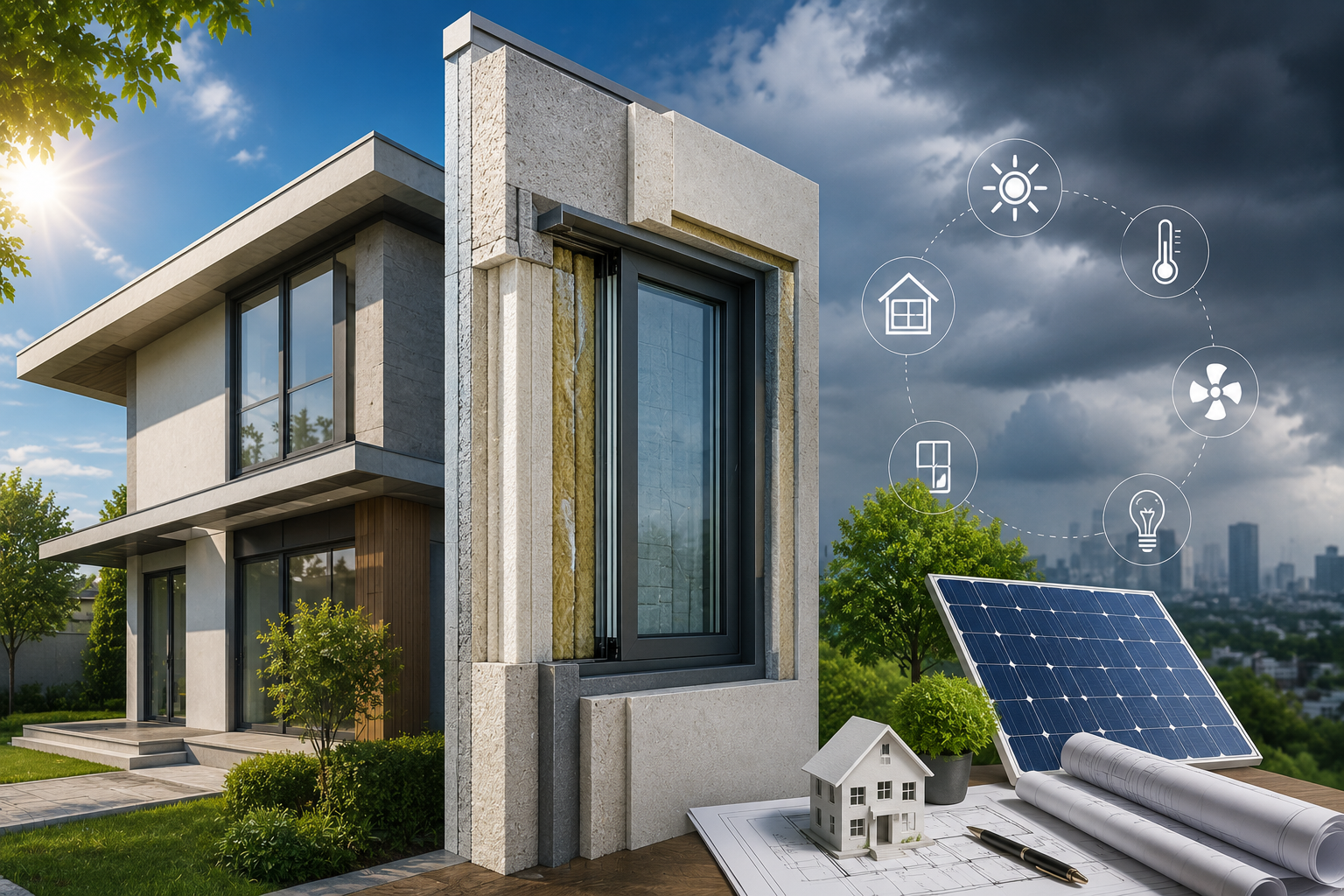
Many people think sustainable architecture only means installing solar panels, but the concept is much broader. Sustainable architecture involves designing buildings that reduce energy consumption, use water efficiently, improve natural ventilation, and minimize environmental impact throughout the building’s lifecycle.
Interestingly, India has a long history of climate-responsive architecture. Traditional Indian homes were naturally designed to stay cool and energy-efficient long before air conditioners existed.
For example, the famous jaalis of Rajasthan allowed airflow while reducing heat from direct sunlight. Deep verandahs protected interiors from harsh afternoon temperatures, while courtyards improved ventilation naturally. These traditional techniques helped buildings stay comfortable using very little energy.
Today’s architects are rediscovering these ancient design principles and combining them with modern technology. Modern green buildings in India now use features such as:
- Rainwater harvesting systems
- Solar energy panels
- Energy-efficient lighting
- Smart temperature control systems
- Recycled and sustainable materials
- Natural ventilation techniques
- Wastewater recycling systems
This combination of traditional wisdom and modern innovation is helping create more environmentally responsible urban spaces.
Smart Cities India and the Push Toward Sustainability
The Smart Cities India initiative has played a major role in encouraging sustainable urban growth. The mission focuses on improving infrastructure, transportation, public services, and digital connectivity while also promoting environmental sustainability.
Several cities are now investing in cleaner and smarter systems that improve everyday life for residents. Smart traffic management, digital governance platforms, waste monitoring systems, and energy-efficient public lighting are becoming increasingly common.
Cities like Bengaluru, Pune, Hyderabad, Mumbai, Chennai, and Ahmedabad are leading the way in adopting smarter and greener urban solutions. These cities are investing in public transport, cycling infrastructure, pedestrian-friendly streets, and digital urban management systems.
Public transportation is especially important for sustainability. Metro rail systems, electric buses, and bicycle-sharing programs help reduce traffic congestion and lower pollution levels. Cleaner transportation networks are helping cities become more eco-friendly cities while improving mobility for residents.
Cities Leading India’s Green Revolution
India’s green building market is growing rapidly and is now worth billions of dollars. Several cities are becoming examples of successful urban sustainability and eco-friendly urban planning.
Pune: Pune is home to Suzlon One Earth, one of India’s most famous sustainable office campuses. The campus runs largely on renewable energy through on-site wind turbines, solar panels, and off-site wind farms. It has also achieved LEED Platinum certification for its environmental performance.
Chennai: Olympia Tech Park in Chennai is another excellent example of sustainable infrastructure. The building uses a dual plumbing system that recycles greywater for irrigation and flushing, helping reduce water waste significantly.
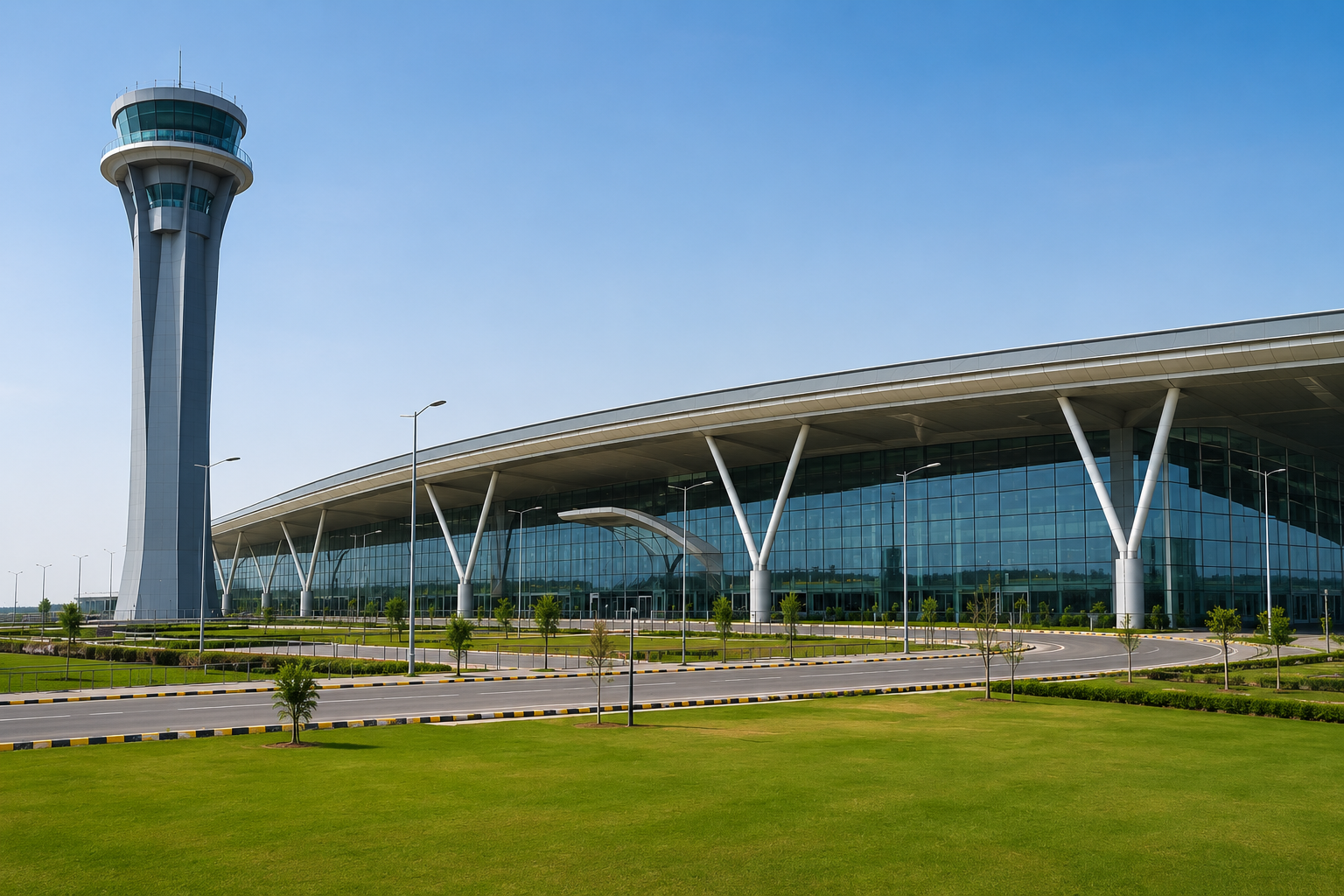
Kochi: Cochin International Airport became the world’s first fully solar-powered airport. The airport generates enough electricity through solar energy not only for its own operations but also supplies extra power back to the grid.
Bengaluru and Hyderabad: Both Bengaluru and Hyderabad are becoming major hubs for sustainable commercial infrastructure, green office campuses, and smart urban projects. Hyderabad is also home to the CII Sohrabji Godrej Green Business Centre, India’s first LEED Platinum-rated building.
These projects show that sustainability is no longer an experimental idea — it is becoming part of mainstream urban development.
The Role of Green Infrastructure in Modern Cities
One of the most important aspects of sustainable cities is the development of green infrastructure. Green infrastructure includes parks, rooftop gardens, urban forests, rainwater harvesting systems, green roofs, and environmentally friendly public spaces.
Green spaces help reduce urban heat, improve air quality, manage rainwater, and create healthier environments for residents. In crowded cities, public green areas also support mental and physical well-being by providing cleaner and more relaxing surroundings.
Many Indian cities are now launching tree plantation drives and urban biodiversity projects to improve environmental conditions. Governments are increasingly recognizing that green infrastructure is not just decorativeit is essential for long-term urban sustainability.
Renewable Energy in Cities Is Creating Cleaner Urban Spaces
The use of renewable energy in cities is growing rapidly across India. Solar power is becoming one of the most popular clean energy solutions in urban areas.
Many residential and commercial buildings now install rooftop solar panels to reduce electricity costs and lower dependence on traditional power sources. Some cities are also investing in waste-to-energy systems that convert garbage into usable electricity.
Electric vehicle infrastructure is also expanding quickly. Charging stations for EVs are becoming more common as India pushes toward cleaner transportation systems. Electric buses are already operating in many major cities, helping reduce fuel consumption and pollution.
Renewable energy solutions are helping cities reduce their carbon footprint while preparing for future environmental challenges.
Why Climate-Resilient Cities Matter
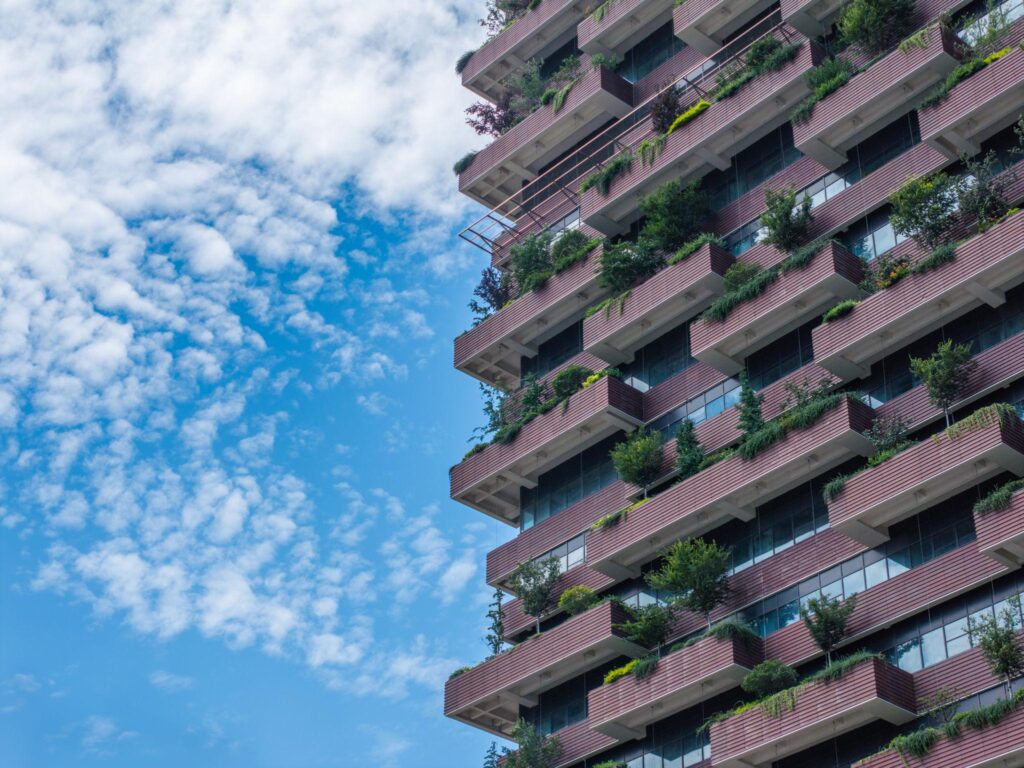
Climate change is becoming a major concern for urban India. Heatwaves, flooding, unpredictable monsoons, and water shortages are affecting millions of people every year.
Because of this, cities are now focusing on becoming climate-resilient cities. Climate resilience means preparing urban infrastructure and communities to handle environmental risks more effectively.
Improved drainage systems, flood-resistant roads, water conservation projects, and sustainable land-use planning are helping cities prepare for climate-related challenges.
India’s ₹1 lakh crore Urban Challenge Fund, announced in the Union Budget, is also encouraging cities to develop more innovative and sustainable urban infrastructure projects. The fund supports transit-oriented growth, water management systems, and redevelopment projects focused on long-term sustainability.
Can Sustainable Design Work for Affordable Housing?
One common misconception is that sustainability is only for luxury buildings or large corporate campuses. In reality, many sustainable building practices are affordable and practical for regular housing projects.
Simple features such as:
- Natural ventilation
- Passive cooling
- Rainwater harvesting
- Fly-ash bricks
- Shaded windows
- Energy-efficient lighting
can significantly improve sustainability without dramatically increasing construction costs.
Although green buildings may initially cost slightly more to build, they usually recover those costs through lower electricity and water bills over time. Over the lifespan of a building, sustainable construction is often more economical than traditional methods.
The challenge now is making sustainable practices a standard part of urban planning rather than a premium feature.
The Role of Citizens in Urban Sustainability
Governments and businesses alone cannot build sustainable cities. Citizens also have an important role in improving urban sustainability.
Simple daily habits can make a major difference, including:
- Using public transportation
- Conserving water and electricity
- Reducing plastic usage
- Recycling household waste
- Supporting green initiatives
- Planting trees and protecting public spaces
As awareness grows, more people are becoming environmentally conscious and supporting sustainable lifestyles.
Schools, offices, residential communities, and local organizations are also promoting eco-friendly habits through awareness campaigns and sustainability programs.
The Future of Green Cities in India
India’s future depends heavily on how its cities develop over the next few decades. Rapid urbanization can either create environmental problems or become an opportunity to build smarter, cleaner, and more efficient cities.
The good news is that India already has the knowledge, technology, and traditional architectural wisdom needed to create sustainable urban environments. What matters now is consistent implementation and long-term planning.
With continued investments in smart infrastructure, renewable energy, public transport, and sustainable architecture, Indian cities have the potential to become global examples of environmentally responsible urban development.
As conversations around sustainability, architecture, and smart urban living continue to grow, platforms like Design Unfiltered help readers stay informed about modern design trends, eco-friendly innovation, and the future of urban spaces in a simple and accessible way.
About Design Unfiltered
Design Unfiltered is a platform focused on architecture, interior design, urban trends, and creative innovation. The website shares informative and easy-to-understand content about sustainable living, modern spaces, urban development, and smart design ideas. From eco-friendly architecture to future city concepts, Design Unfiltered explores how thoughtful design and sustainability can work together to create better environments for modern life.
Frequently Asked Questions (FAQs)
1. What are sustainable cities in India?
Sustainable cities in India are urban areas designed to balance development with environmental protection. These cities focus on cleaner transportation, renewable energy, green infrastructure, waste management, water conservation, and eco-friendly construction to improve the quality of life while reducing environmental impact.
2. Why is sustainable urban development important for Indian cities?
Sustainable urban development is important because rapid urban growth can lead to pollution, traffic congestion, water shortages, and climate-related challenges. Sustainable planning helps cities use resources efficiently, improve public transport, support green buildings, and create healthier environments for future generations.
3. How are Indian cities becoming more eco-friendly?
Many eco-friendly cities in India are adopting solutions such as solar energy systems, electric public transport, rainwater harvesting, green buildings, smart waste management, and urban green spaces. Cities like Bengaluru, Pune, Hyderabad, and Chennai are already leading several sustainability and smart city initiatives.


[…] the intelligence of local materials — not as a nostalgic choice, but as a smarter, more sustainable design […]