
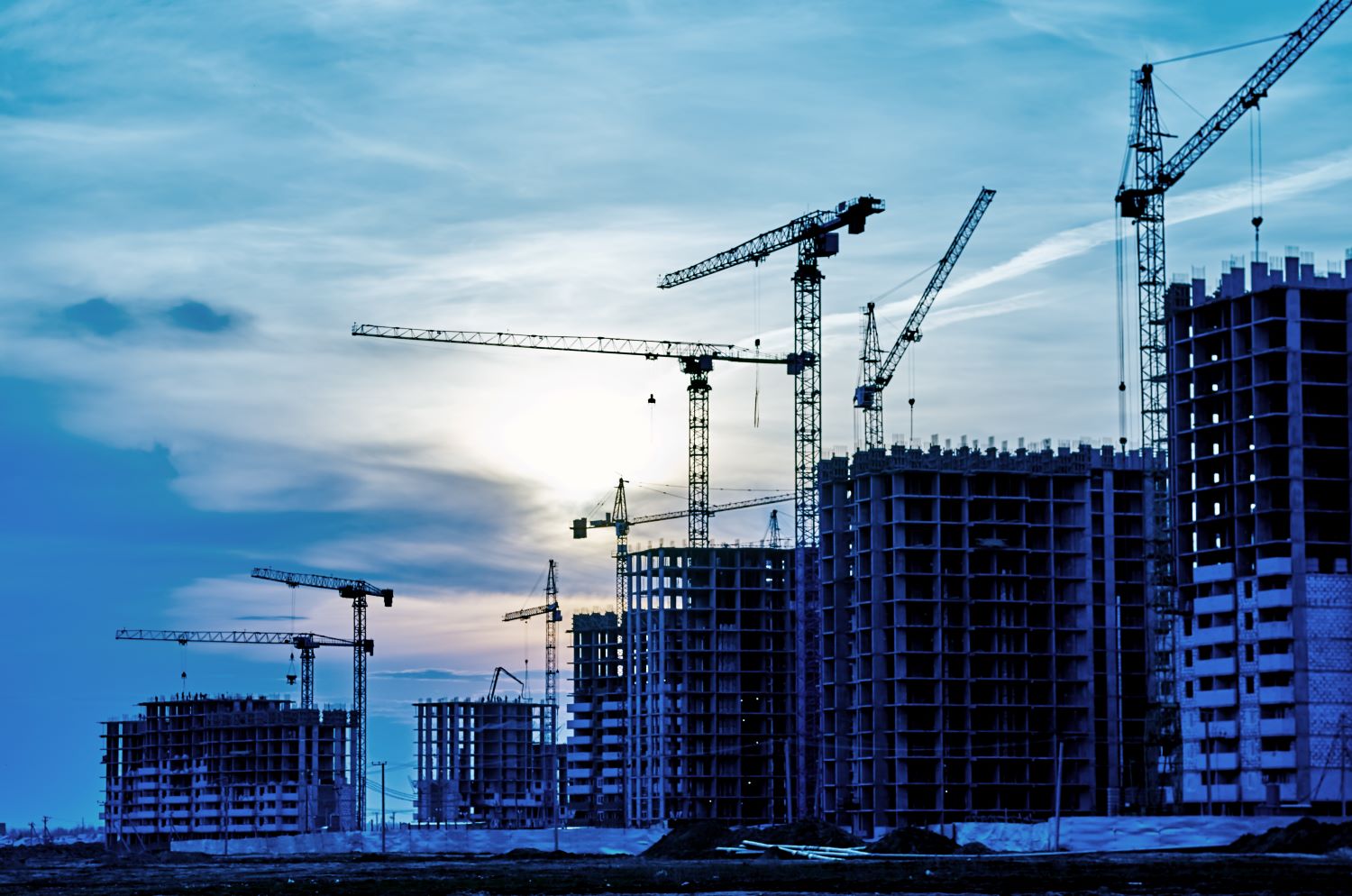
In today’s Indian construction industry, imported materials have become closely associated with luxury and modern design. Walk into any premium residential or commercial project, and you will often find Italian marble, German fittings, or Spanish tiles used to enhance the overall look and feel.
But beyond aesthetics, an important question arises: are imported materials truly better, or are they simply a symbol of status?
Through industry insights and observations shared on Design Unfiltered, it becomes clear that choosing the right material is not just about appearance—it is about performance, cost, climate suitability, and long-term value.
What Are Imported Materials in Construction?
Imported materials are building products that are manufactured outside India and brought into the country for use in construction and interior design.
These typically include:
- Natural stones like Italian marble
- High-end tiles and surfaces
- Premium hardware and fittings
- Engineered and modular materials
They are commonly used in luxury homes, commercial spaces, and high-end developments where design and brand perception matter.
Why Are Imported Materials Considered Premium?
Imported materials are often perceived as superior due to a combination of quality, design, and global branding.
- Advanced Manufacturing: Many international brands follow strict quality control processes, ensuring consistency and precision.
- Unique Finishes: They offer textures and finishes that are sometimes not easily available in local markets.
- Brand Value: Global recognition adds a sense of trust and exclusivity.
- Luxury Appeal: For many buyers, imported materials represent modern, upscale living.
Cost of Imported Materials in Indian Construction
Cost is one of the most important factors when choosing imported materials—and it is often underestimated.
- Higher Base Price: Imported materials can be 30–50% more expensive than local alternatives due to branding and manufacturing standards.
- Logistics and Shipping
Costs include:
- International transport
- Insurance
- Handling charges
- Customs Duties and Taxes: Additional charges such as import duties and GST can increase the overall cost by 15–25%.
- Installation and Wastage: These materials require skilled labor and careful handling. Any damage can lead to expensive losses.
- Maintenance and Replacement
Over time:
- Repairs are costly
- Matching the same material can be difficult
- Delays can affect the entire project
From a user’s point of view, the real cost is not just the purchase price—it is the total lifecycle cost.
Benefits of Imported Materials
- High-Quality Finish: They provide a polished and premium look that enhances the overall design.
- Innovation and Technology: Many imported materials include advanced features like scratch resistance and durability enhancements.
- Design Flexibility: Architects can achieve specific design goals with a wider range of options.
- Premium Positioning: Developers use imported materials to create a luxury image and attract high-end buyers.
Challenges of Imported Materials
- High Overall Cost: When logistics and taxes are added, the total cost becomes significantly higher.
- Availability Issues:
If materials are damaged or discontinued:
- Replacement takes time
- Projects may get delayed
Climate Compatibility
India’s diverse climate can affect performance:
- Humidity
- Heat
- Monsoon conditions
- Materials designed for European climates may not always adapt well, leading to wear and tear.
Local Materials: A Smart and Practical Alternative
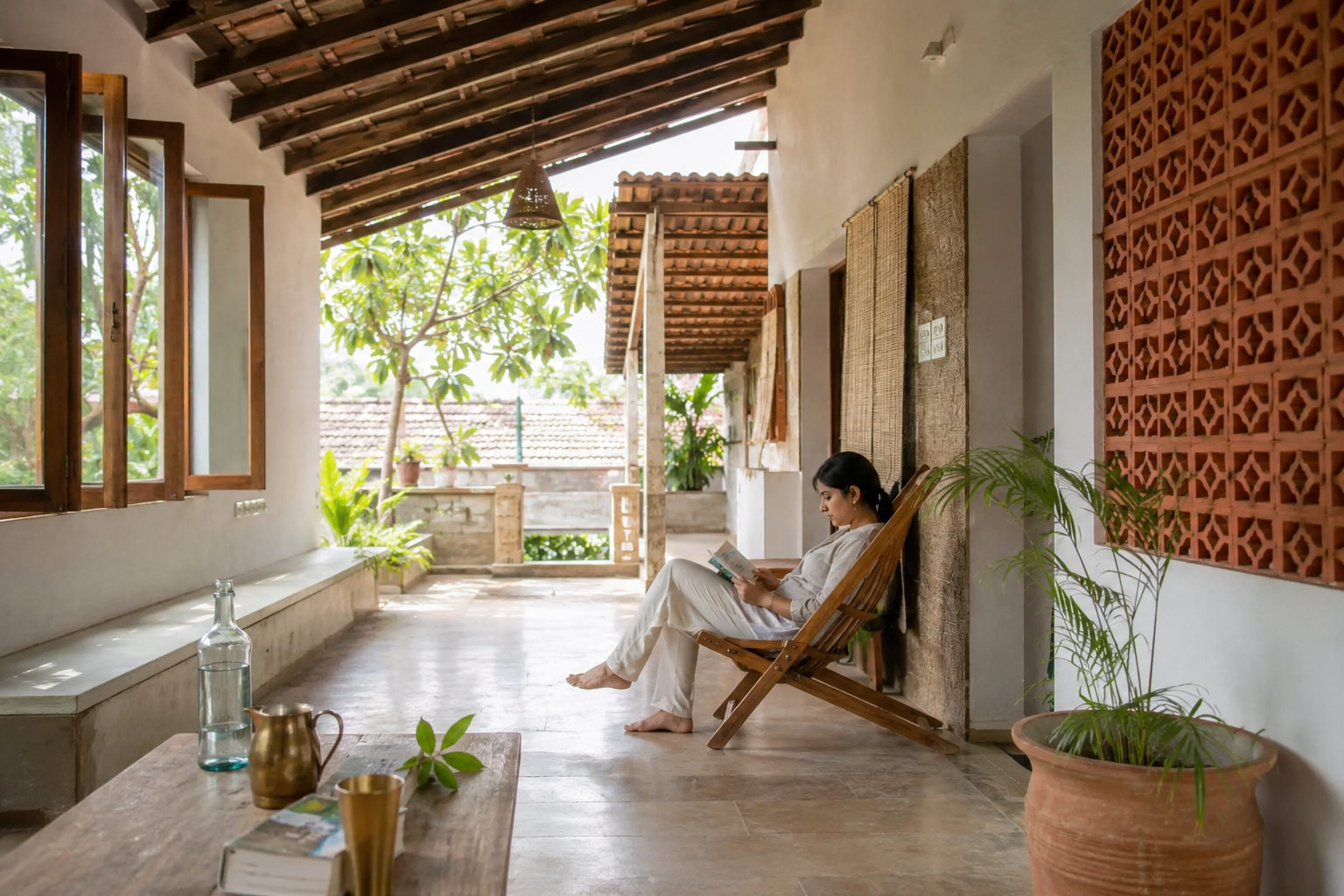
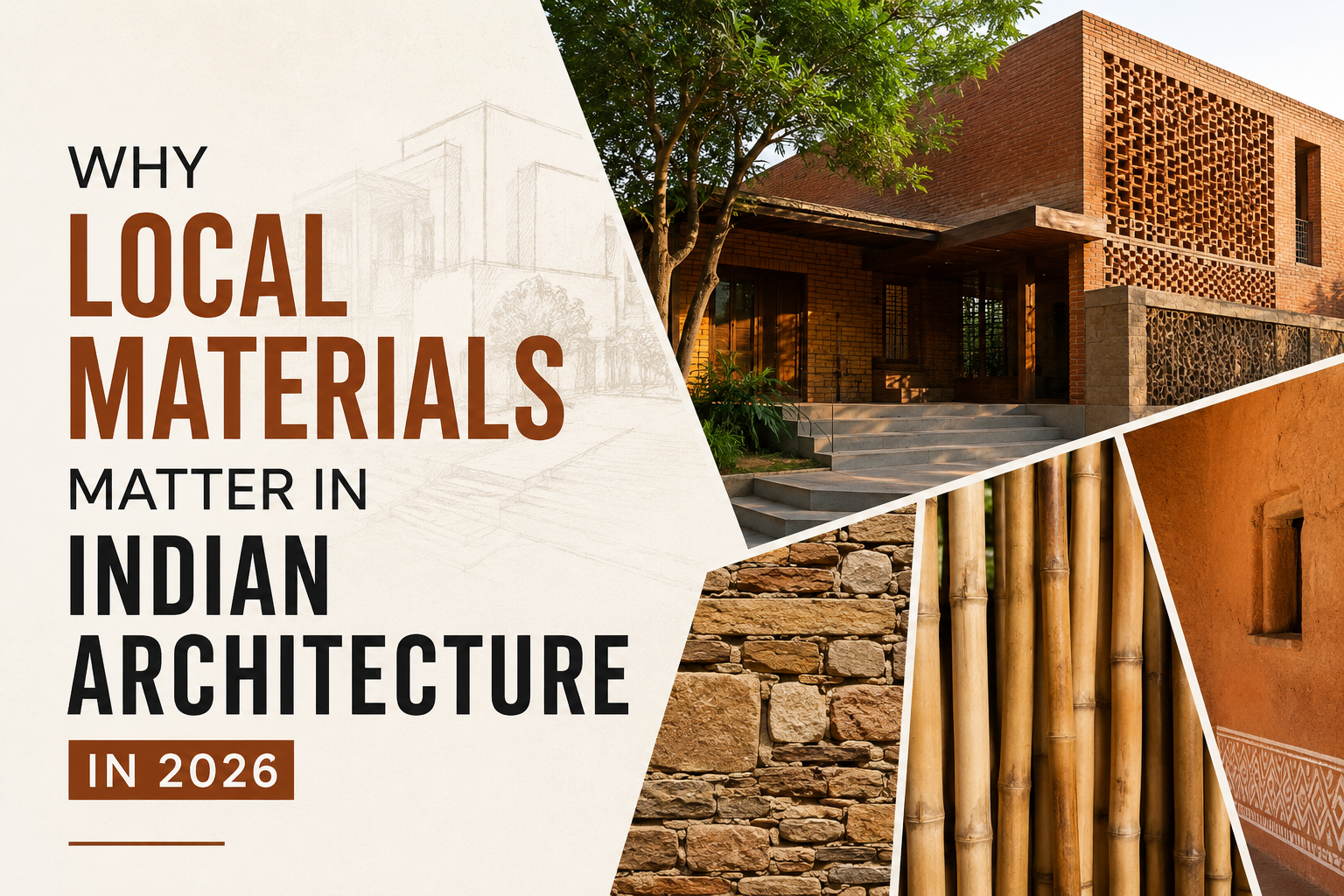
India offers a wide range of high-quality local materials that are well-suited to its environment.
Examples:
- Rajasthan marble – durable and elegant
- Kota stone – affordable and long-lasting
- Laterite – naturally insulating
Why Local Materials Work Better:
- Designed for Indian climate
- Cost-effective
- Easily available and replaceable
- Lower environmental impact
- These are not compromises—they are often more practical choices.
Sustainability and Environmental Impact
Sustainability is becoming a key concern in construction.
Imported materials contribute to:
- High carbon emissions due to transportation
- Increased energy use in logistics
Local materials:
- Reduce environmental impact
- Support local industries
- Promote sustainable construction
Imported vs Local Materials: What Should You Choose?
The right decision depends on your priorities.
Choose Imported Materials When:
- You need specialized finishes
- Budget is flexible
- You want premium positioning
Choose Local Materials When:
- You want durability in Indian conditions
- Cost matters
- Sustainability is important
The best projects often use a balanced combination of both.
What Should You Consider?
From a user’s point of view, the focus should be on long-term value.
Ask yourself:
- Will this material perform well in my city’s climate?
- Is it easy to maintain?
- Can it be replaced quickly if needed?
- Does it justify the cost?
From an industry perspective shared by Design Unfiltered, material selection should always be based on performance and practicality, not just perception.
Conclusion
Imported materials have transformed modern Indian construction by introducing global design standards and premium finishes. However, their value goes beyond appearance.
The real decision lies in understanding what works best for your project—considering cost, climate, durability, and sustainability.
At Design Unfiltered, the focus remains on decoding such industry trends to help users and professionals make informed, practical decisions.
FAQs
- What are imported materials in construction?
Imported materials are building products made outside India and used in local construction projects.
- Are imported materials better than local materials?
Not always. While they offer premium finishes, local materials often perform better in Indian conditions.
- Why are imported materials expensive?
They include additional costs like shipping, customs duties, and logistics.
- Which is more cost-effective: imported or local materials?
Local materials are generally more cost-effective due to lower overall and maintenance costs.
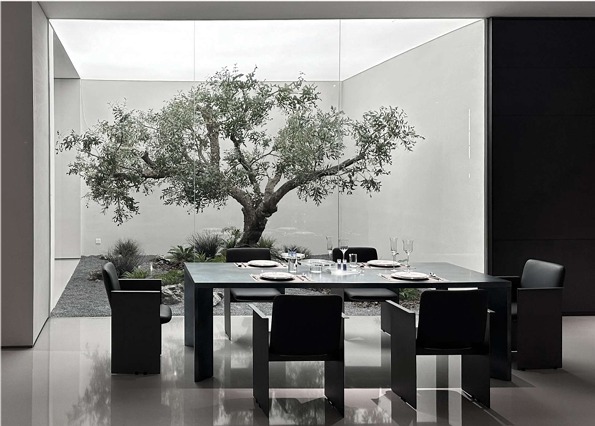

[…] Spanish tiles in hospitality projects, or Scandinavian wood finishes in contemporary interiors, imported materials are reshaping how premium Indian spaces are […]