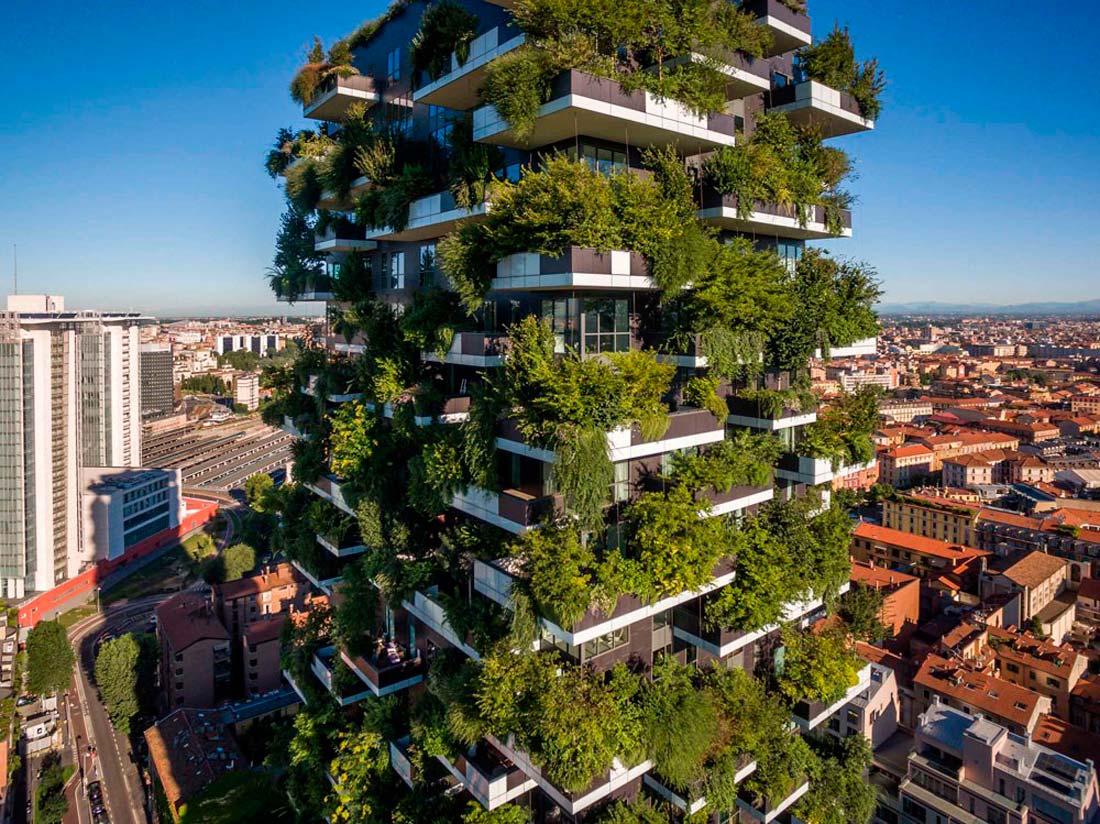
The Rise of Vertical Forest Architecture
What if your office building was also a forest?
Imagine stepping out of a hotel lobby and instead of hitting a wall of glass and heat, you’re surrounded by ferns, climbing vines, and the sound of birds. In Singapore, that’s not a fantasy — it’s Tuesday.
Cities are getting hotter. Concrete absorbs heat, glass reflects it, and air conditioners pump more of it outside while cooling the inside. It’s a problem with no easy fix unless you’re Singapore, which decided the answer was to just grow trees on everything.
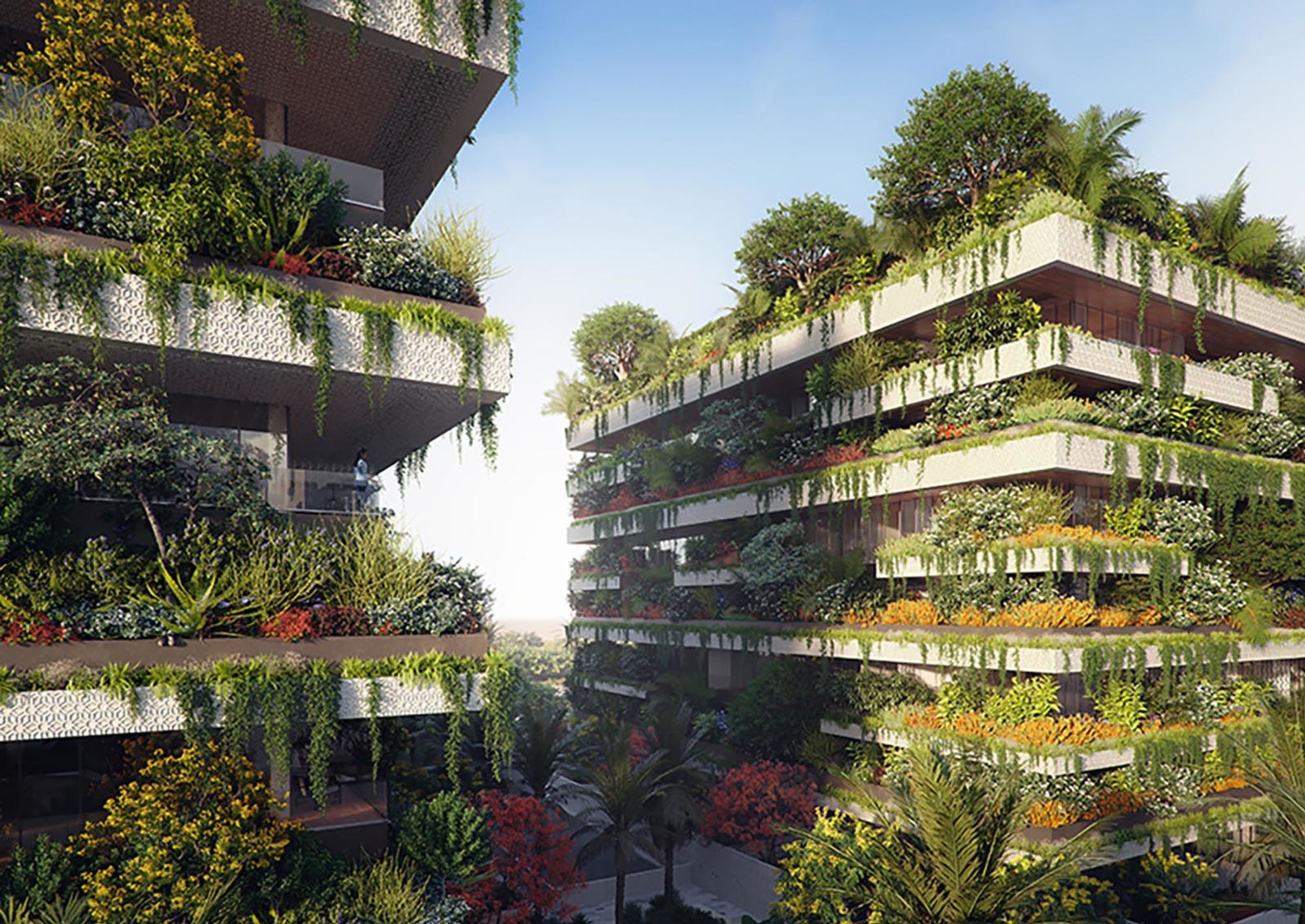
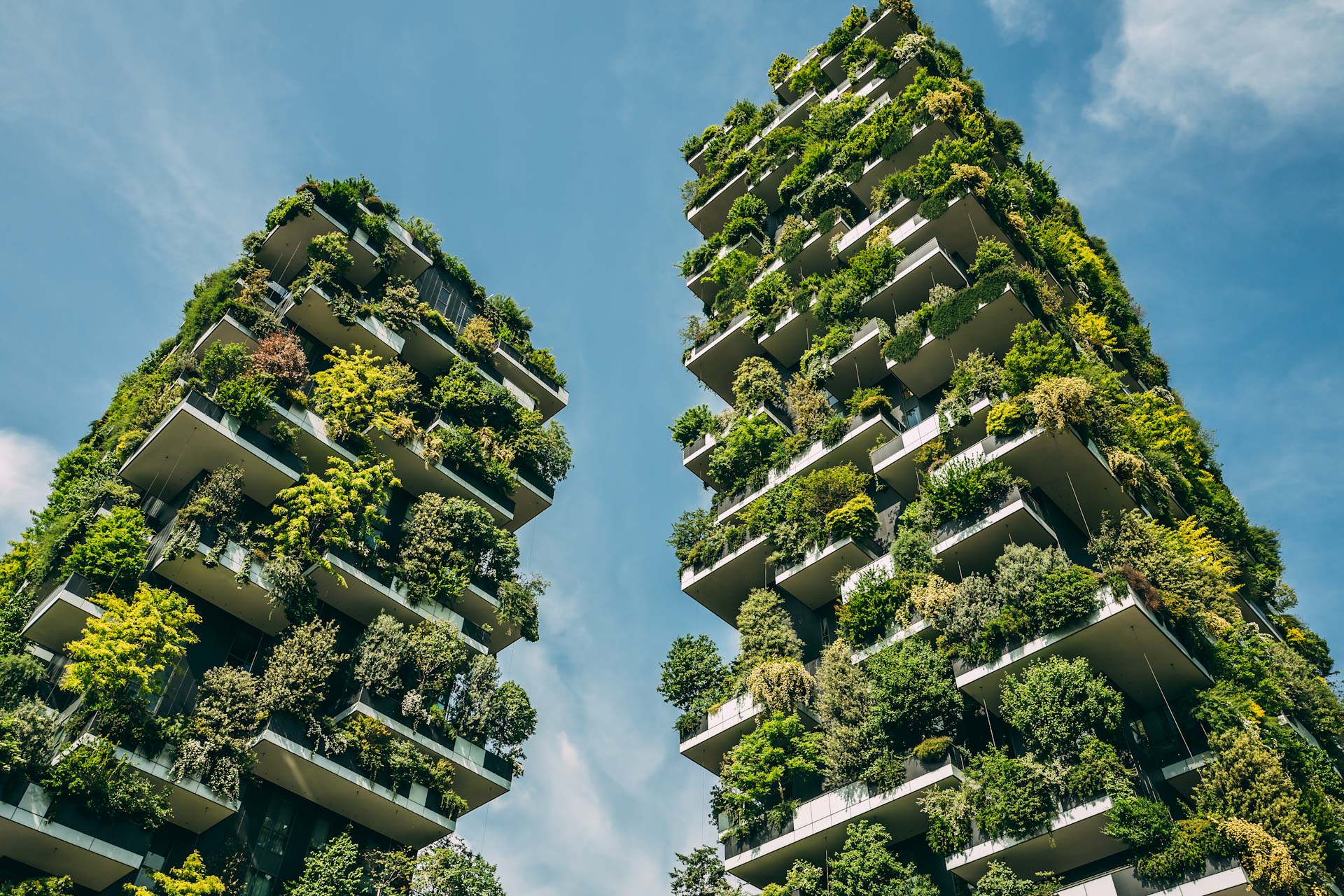
The city-state has limited land, a tropical climate, and millions of people to house. So rather than spreading outward, it built upward. And rather than making those towers bare and glassy, it wrapped them in greenery. The result? A skyline that genuinely looks alive.
Take Oasia Hotel Downtown, designed by WOHA Architects. It’s wrapped in a red aluminium mesh that supports over 21 species of climbing plants. The whole façade is essentially a living wall. Remarkably, the building now has more green surface area than the plot of land it sits on so actually nature didn’t get displacon, it got amplified.
Then there’s PARKROYAL Collection Pickering, with sky gardens and waterfalls spilling across its terraces. It looks like someone planted a rainforest halfway up a hotel and just left it there. Which is, more or less, exactly what they did.
These buildings improve air quality, reduce urban heat, and support bird and insect life all while functioning as hotels, offices, and homes.
This isn’t just aesthetics. Vegetation naturally cools buildings by blocking direct sunlight and releasing moisture into the air , a process called evapotranspiration. Singapore’s Building and Construction Authority says green buildings like these use up to 30% less energy than conventional ones. That’s not a small number.
Singapore has backed all of this with real policy. Its Green Mark certification scheme makes sustainable design a requirement, not a bonus. And its “City in Nature” vision has turned vertical greenery from an architectural novelty into a standard expectation.
The idea is catching on iin India, it’s taking a very different, arguably more radical form. Vinu Daniel of Wallmakers, a Kerala-based architecture firm, has spent years doing something the big glass towers of Singapore would never dare: building with mud, waste, and whatever the land already offers. His structures grow from the earth rather than being imposed on it. Where Singapore’s vertical forests are policy-engineered solutions, Vinu Daniel’s work is almost instinctive , architecture that treats nature not as decoration but as the entire point.
Could other cities do the same? Possibly though Singapore’s tropical climate makes plants grow year-round in a way that London or Delhi cannot easily replicate. Maintaining a living façade is also expensive and technically demanding. These are real challenges.
But the core idea remains that a building can give back more nature than it takes away.