The Invisible Architecture of a Café
You judge a café before you taste anything.
The moment you step inside, something shifts about your pace like either it slows or quickens, your shoulders drop or stiffen, your instinct says stay or leave. This happens in seconds, long before the first sip. And it is entirely the work of architecture.
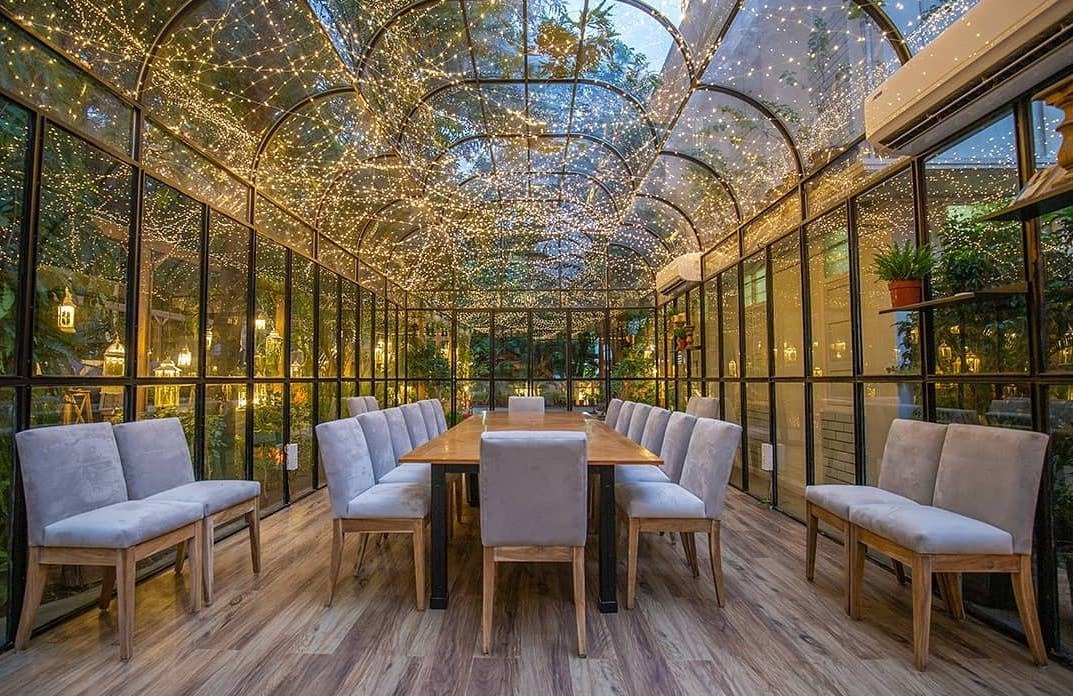
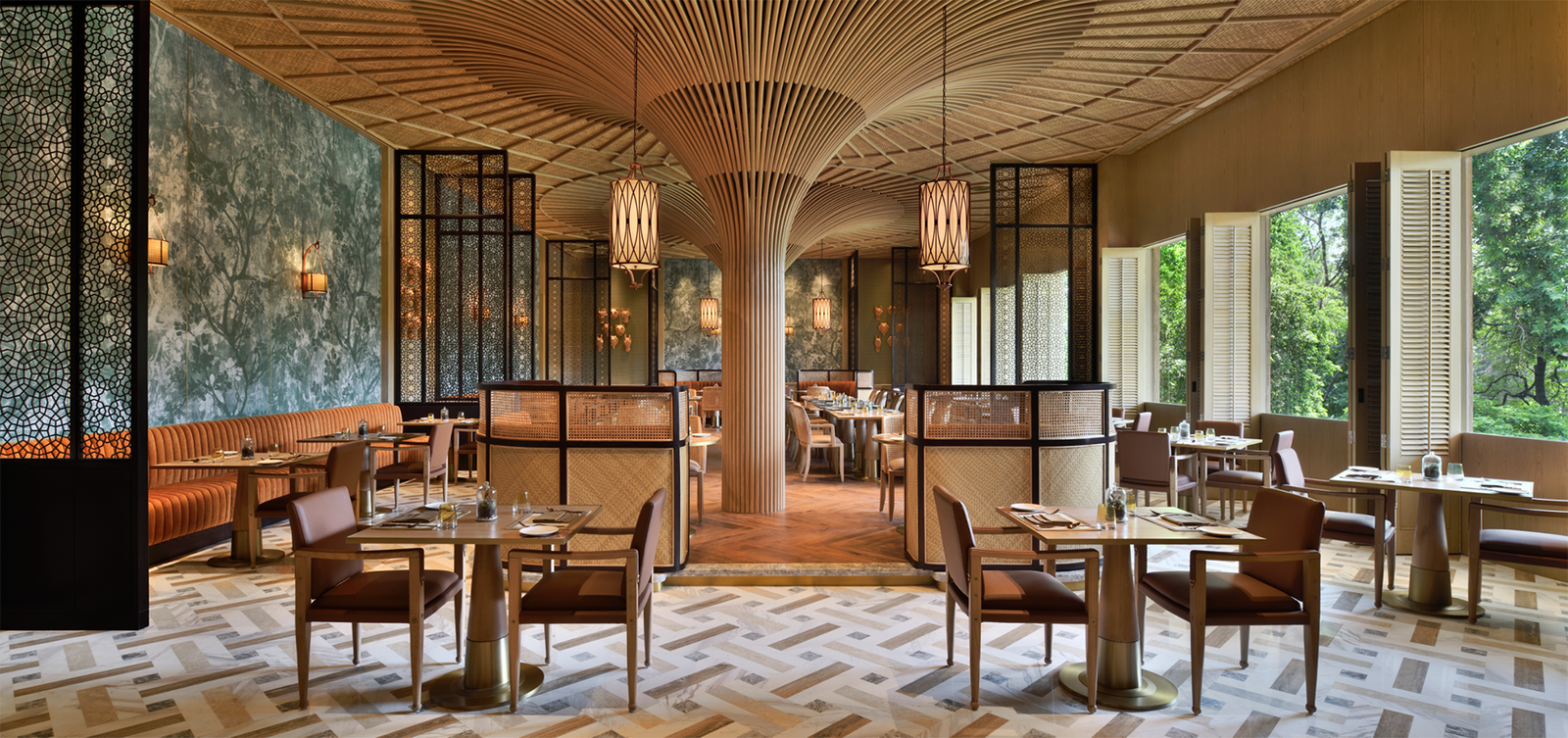
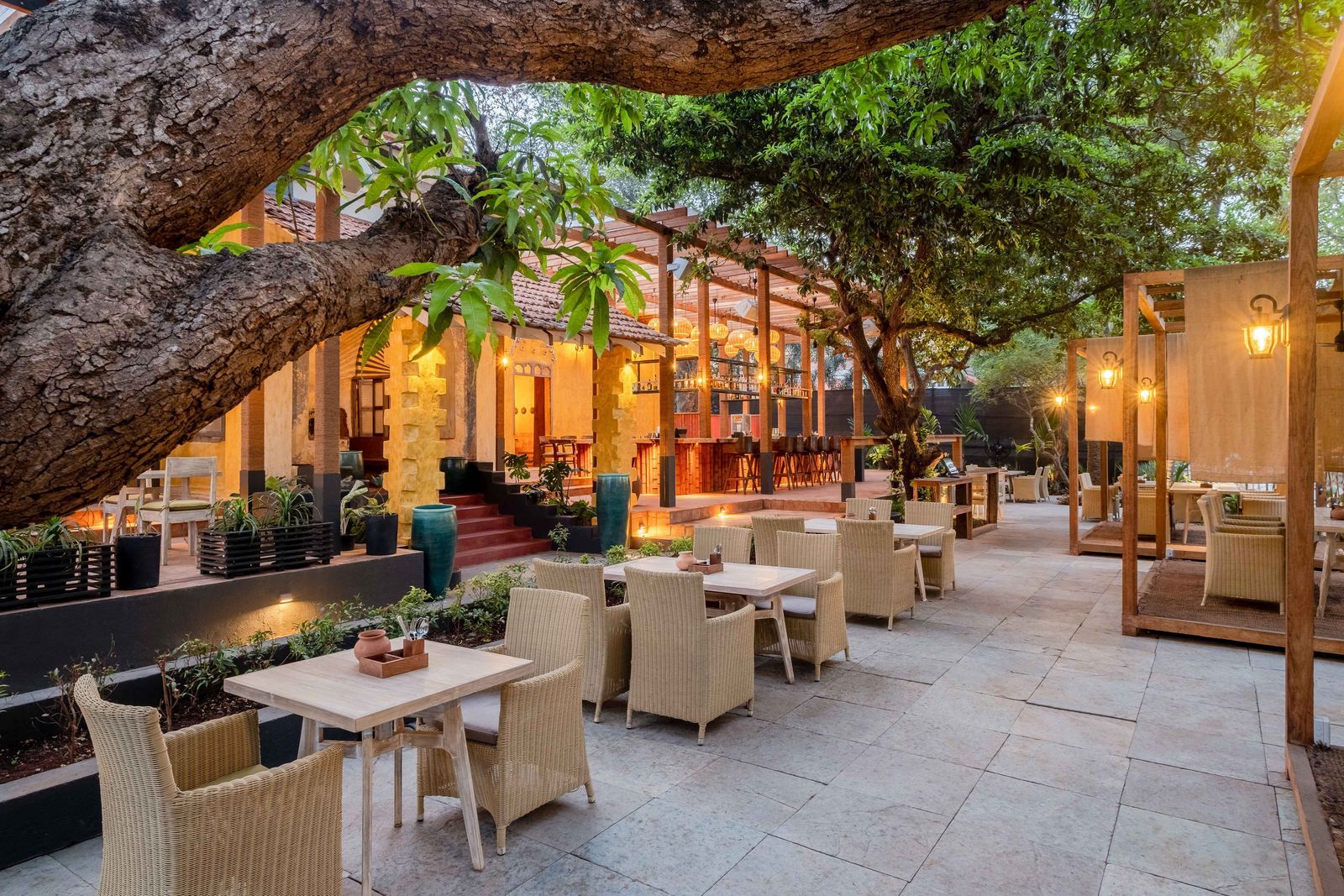
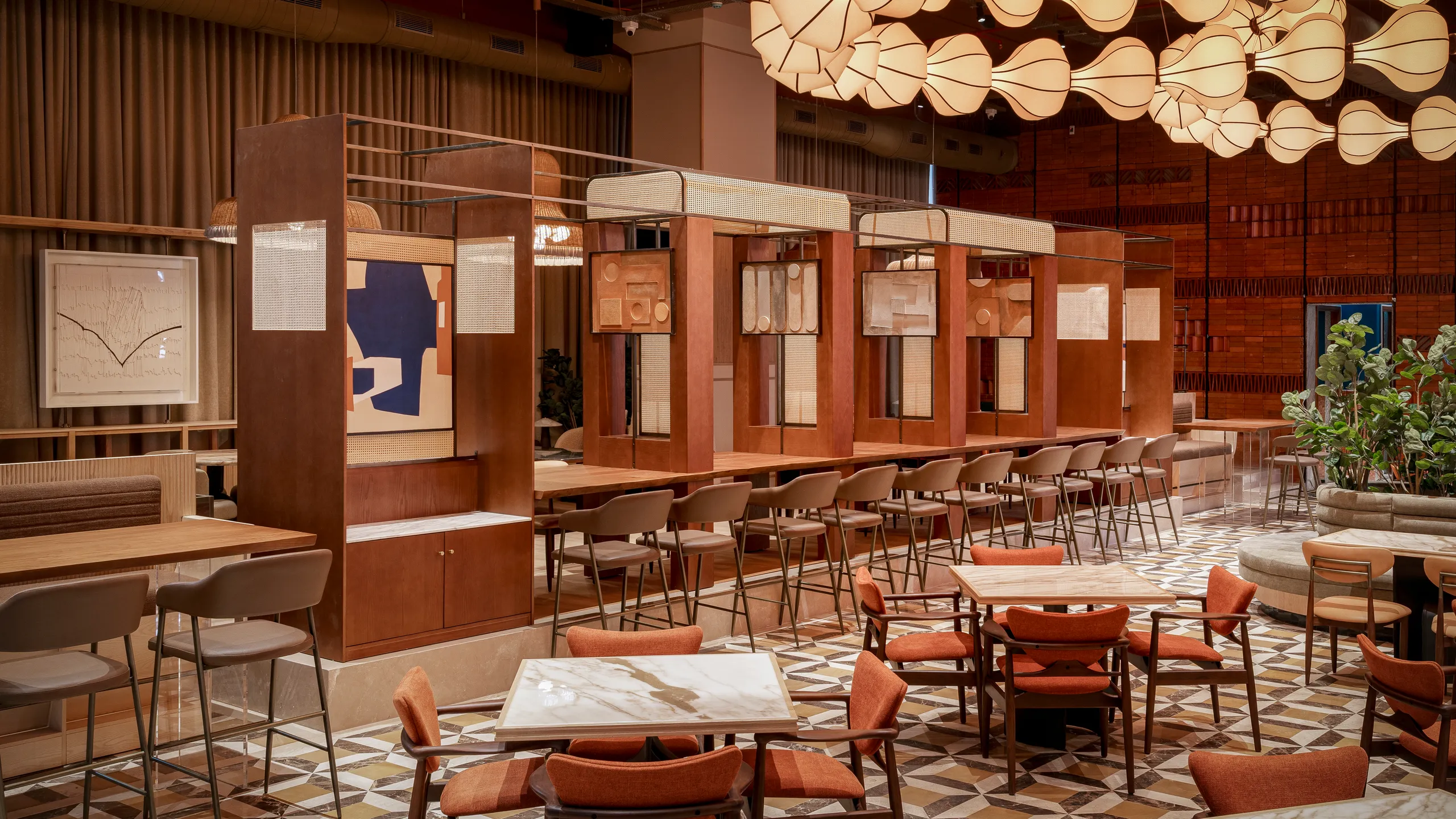
Ambience is the word we use when we don’t want to say design. But in a café, every atmospheric quality from the warmth of light, the weight of a material to the way sound moves through a room is a deliberate decision with a measurable human consequence. Warm, diffused lighting slows metabolism and encourages lingering. Exposed timber and stone signal permanence and calm. A lower ceiling creates intimacy; a double-height void creates theatre. These are not aesthetic choices. They are behavioral ones.
This is what separates a café that is visited from one that is returned to.
In an era where the menu is discoverable online before you ever arrive, the physical space has become the primary differentiator. Two cafés can serve the same beans from the same roaster. What they cannot replicate is the quality of light falling across a particular corner at 8 in the morning, or the acoustic texture of a room that makes a solo visitor feel alone without feeling lonely. These are irreducibly spatial experiences some things only architecture can deliver.
There is also a larger cultural argument at play. The café has quietly replaced the town square as the dominant informal public space in contemporary urban life. It is where people work, grieve, date, think, and accidentally overhear conversations that change their lives. The design of that space, then, is not merely a hospitality question. It is a civic one. How a café is arranged in terms of whether it invites strangers into proximity or isolates them in private pods, whether it faces the street or turns its back to it shapes the texture of public life in ways that extend well beyond the building’s walls.
This is why the most enduring cafés are never just well-branded or well-stocked. They are well-considered. The architect or designer who shaped them understood that the goal was not to create a beautiful room, but to choreograph an experience , one precise enough to feel accidental, and generous enough to belong to whoever walks in.
Ambience, then, is not decoration applied after the real decisions are made. It is the decision. It is the first thing a customer encounters and the last thing they consciously notice. It works beneath perception, quietly determining how long they stay, whether they return, and what they tell someone else.
The best café design doesn’t ask to be admired. It simply makes leaving feel like a loss.