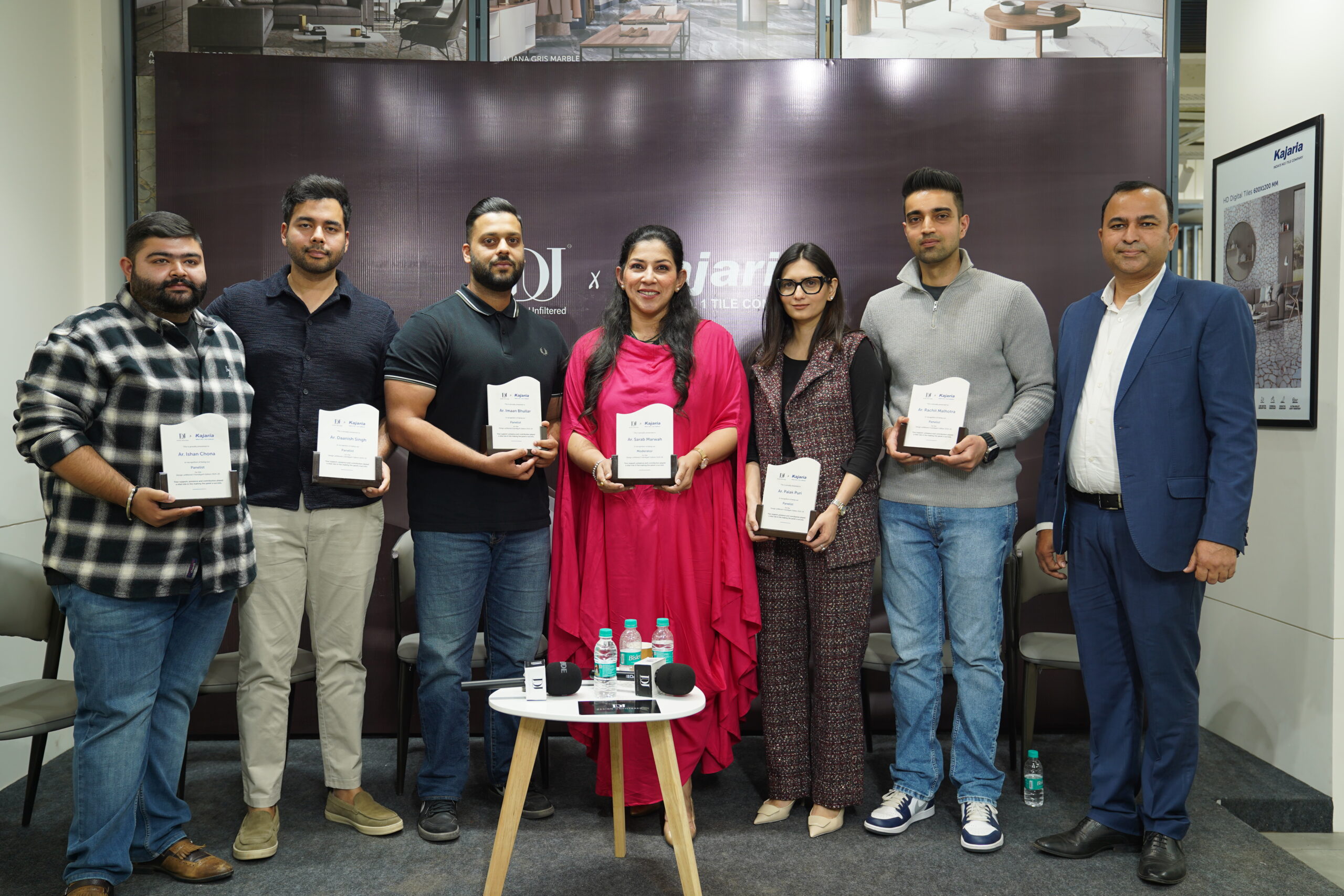
The Money, Material, Mindset series continued its journey with the Chandigarh edition, hosted in one of India’s most historically significant architectural cities.
Globally recognized for its modernist planning, Chandigarh stands as a rare example of a city conceived as a complete architectural vision. Designed by the renowned architect Le Corbusier, the city continues to influence generations of architects and planners.
A Modernist Urban Vision
Chandigarh’s identity is deeply tied to its planned structure and civic landmarks. Sites such as the Capitol Complex, the Rock Garden of Chandigarh, and Sukhna Lake reflect a design philosophy that integrates architecture, landscape, and urban planning into a coherent whole.
For many architects, practicing in or around Chandigarh means engaging with this powerful legacy while responding to contemporary urban pressures.
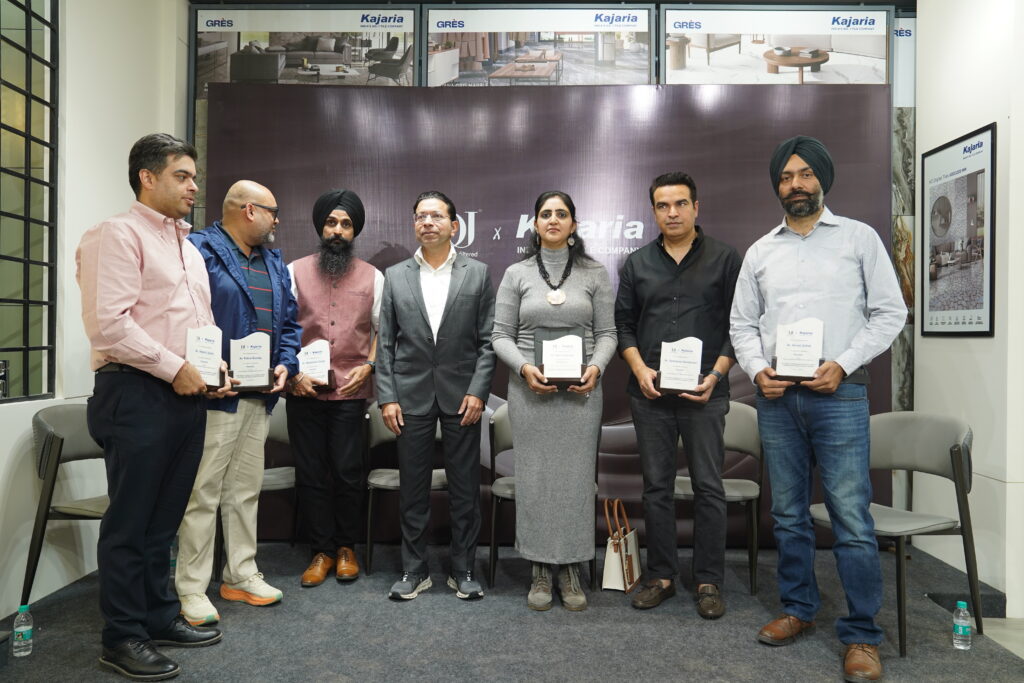
Dialogue on Contemporary Practice
The Chandigarh conference invited architects to reflect on how professional realities have evolved since the city’s original planning. While Chandigarh represents an idealized vision of modern architecture, today’s practitioners often navigate a much more complex landscape of regulations, market forces, and changing client expectations.
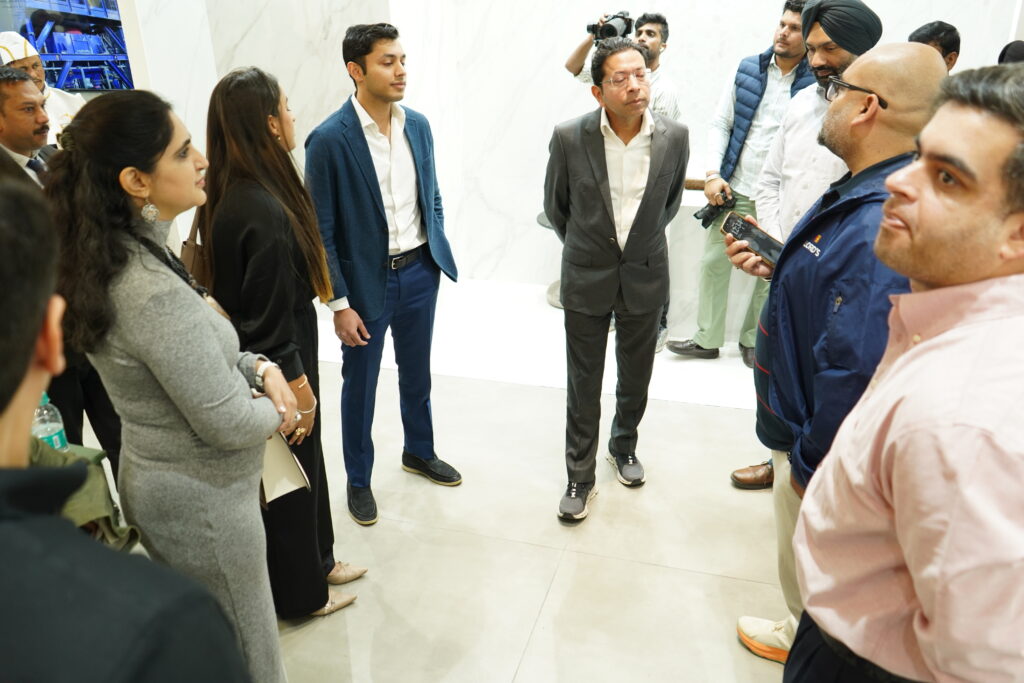
Through open dialogue, participants shared experiences from practice—discussing how architecture today must balance design ideals with economic feasibility and material innovation.
Material as an Expression of Intent
Materiality became a central theme of the discussion. In a city where architectural identity is strongly defined, material choices carry both aesthetic and cultural significance.
Architects reflected on how thoughtful material selection can reinforce sustainability while also maintaining clarity of architectural expression.
Learning Through Dialogue
Architecture students from across the region attended the session, engaging actively with the speakers. Their participation added another layer to the conversation, bridging academic learning with real-world experience.
The Chandigarh edition reaffirmed an important idea: architecture evolves not only through buildings but through conversations—between legacy and experimentation, theory and practice, and between generations of architects shaping the future of the profession.