Is Our Heritage Safe?
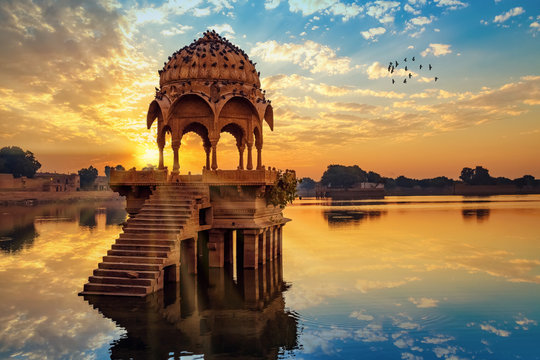
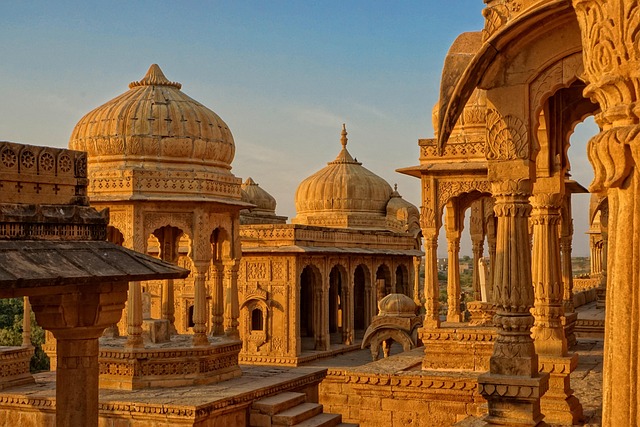
Heritage buildings and historic precincts are living reminders of who we are and where we come from. In few places is this truer than India where a single street can walk you through centuries, where a stepwell in Gujarat whispers of medieval engineering genius, and where a crumbling haveli in Rajasthan still bears the fingerprints of artisans long forgotten.
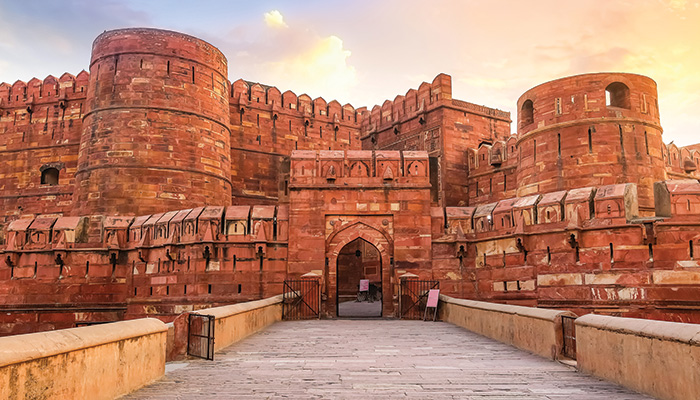
India is home to over 3,600 ASI-protected monuments, 42 UNESCO World Heritage Sites, and thousands of unprotected structures existing in legal and administrative grey zones. From the ghats of Varanasi to Mumbai’s Fort precinct, from Jaipur’s walled city to Tamil Nadu’s temple towns ,India’s heritage is not merely historical. It is alive, inhabited, and woven into the daily rhythms of its people.
Yet this inheritance is under serious threat.
Urbanization is perhaps the most relentless force. Metro corridors, flyovers, and real estate developments have encroached upon heritage precincts across Delhi, Mumbai, Kolkata, and Chennai. Many structures are demolished quietly because they were never formally listed or protected. Natural disasters compound this like the 2001 Gujarat earthquake devastated centuries-old stepwells and havelis, while monsoon flooding annually threatens Varanasi and Hampi. Climate change is making these events more frequent and more destructive.
Neglect and poor restoration cause quieter but equally irreversible damage. Across India, the use of Portland cement over traditional lime mortar, incompatible paints over ancient frescoes, and structurally inappropriate repairs have accelerated deterioration. Fire remains catastrophic and many heritage structures, built entirely of timber and housing flammable religious materials, still lack basic detection or suppression systems. A single fault can erase centuries in hours.
The system has gaps too. While ASI carries an enormous mandate, the vast majority of India’s heritage falls outside its jurisdiction. State archaeology departments vary wildly in capacity. Legal protection zones around monuments are routinely violated. In a country developing at India’s pace, heritage too often loses the race.
Yet there are reasons for hope. Ahmedabad became India’s first UNESCO World Heritage City in 2017. The Aga Khan Trust for Culture’s restoration of Delhi’s Nizamuddin precinct proved that heritage and community wellbeing can be treated as inseparable. Digital initiatives through Google Arts & Culture and national documentation missions are slowly building the knowledge base conservation needs.
Technology now offers powerful new tools like IoT sensors that detect micro-cracks before they’re visible, AI systems that monitor sites in real time, and digital twins that help teams simulate and plan interventions. These are no longer futuristic ideas. They are deployable today.
But technology alone is not enough. India needs architects trained in conservation, planners who treat heritage as an asset, and citizens who recognise the value of what stands in their own neighbourhoods.
Our heritage has survived centuries of invasions, earthquakes, and empires. Whether it survives us depends entirely on the choices we make today.
Preserving heritage is not nostalgia. It is civilizational responsibility.