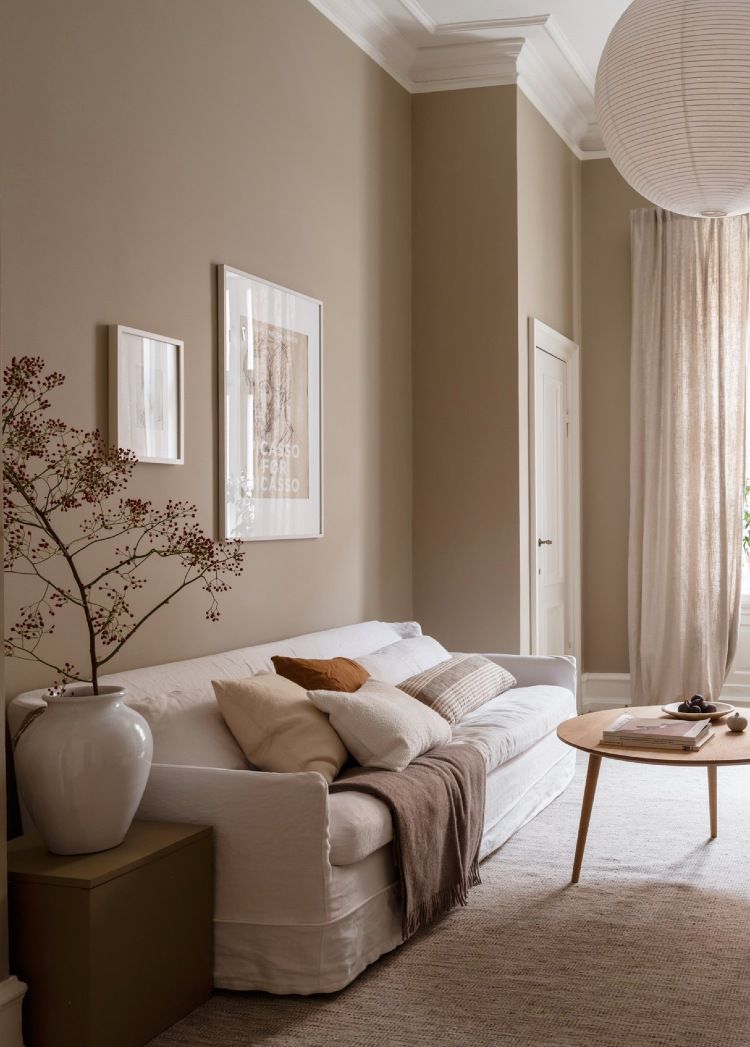
The Beige-fication of Modern India
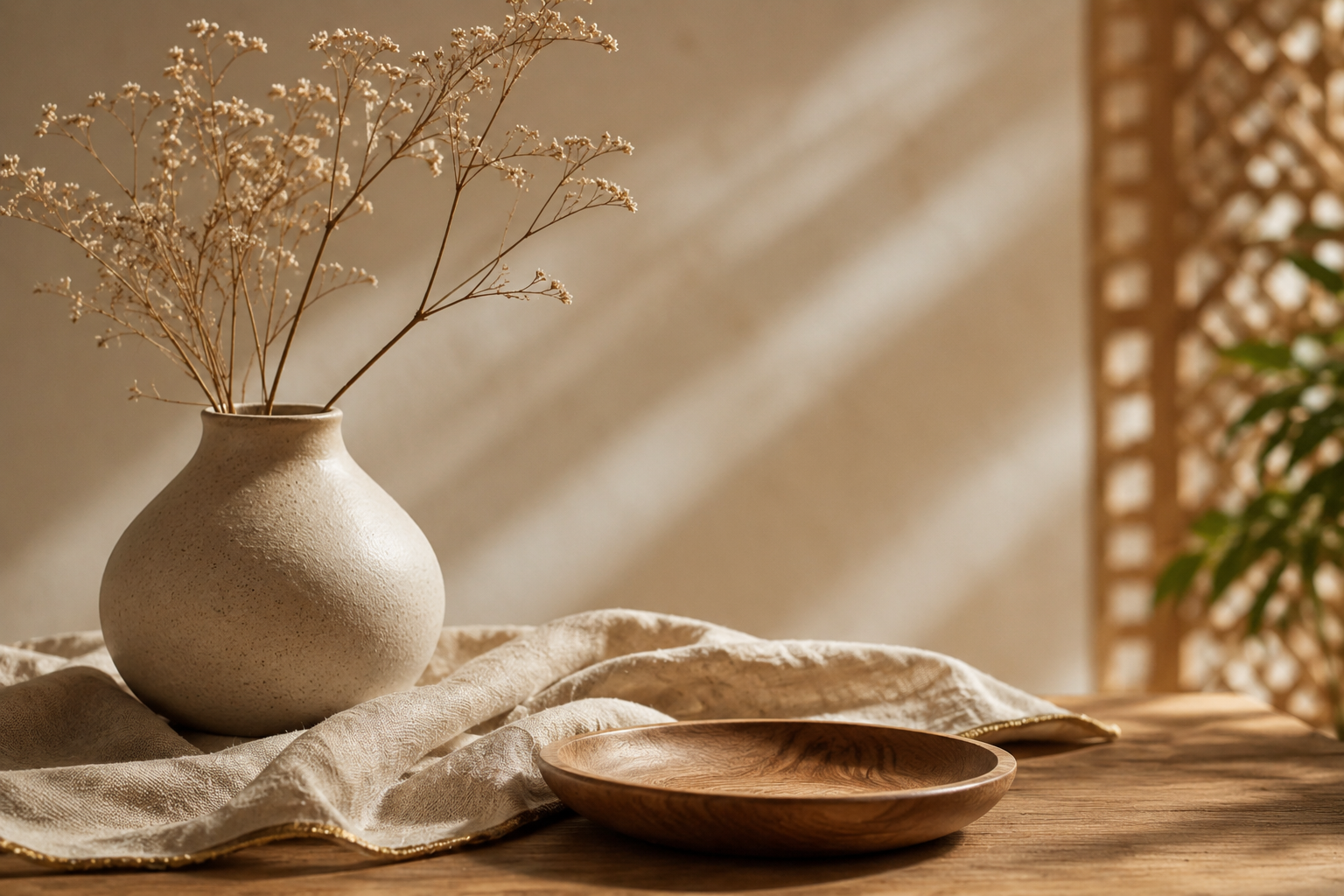
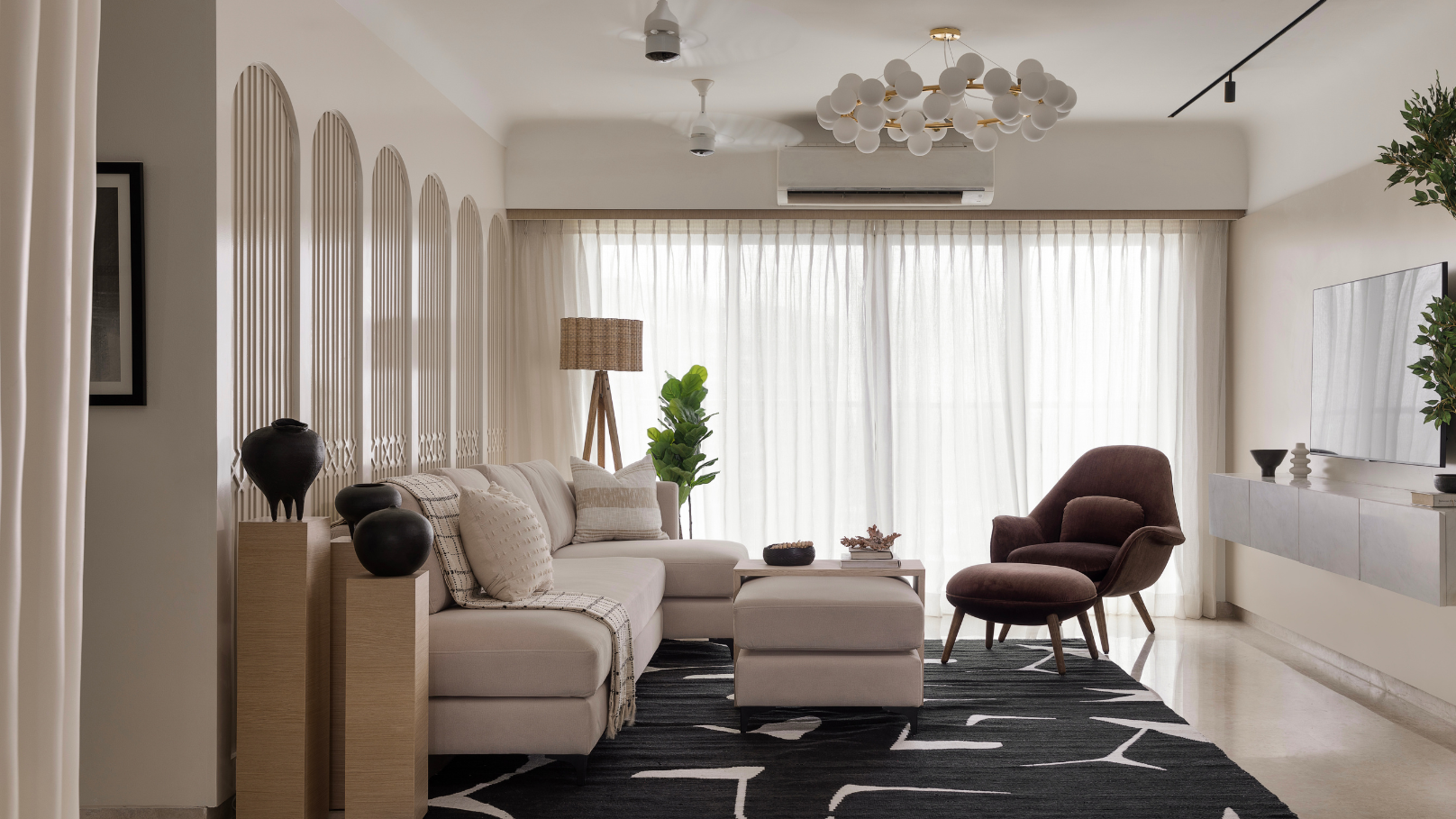
Walk into any urban Indian home today and you’ll find the
same scene repeated: the same beige sofa, the same beige walls, the same wooden
panels, the same curated emptiness. Scroll through any Indian interior design
account on Instagram and the palette barely changes. Beige, off-white, greige.
Beige isn’t the issue. What it is replacing is.
India has always been defined by colour, texture, and an
almost defiant cultural diversity. The indigo-washed havelis of Rajasthan, the
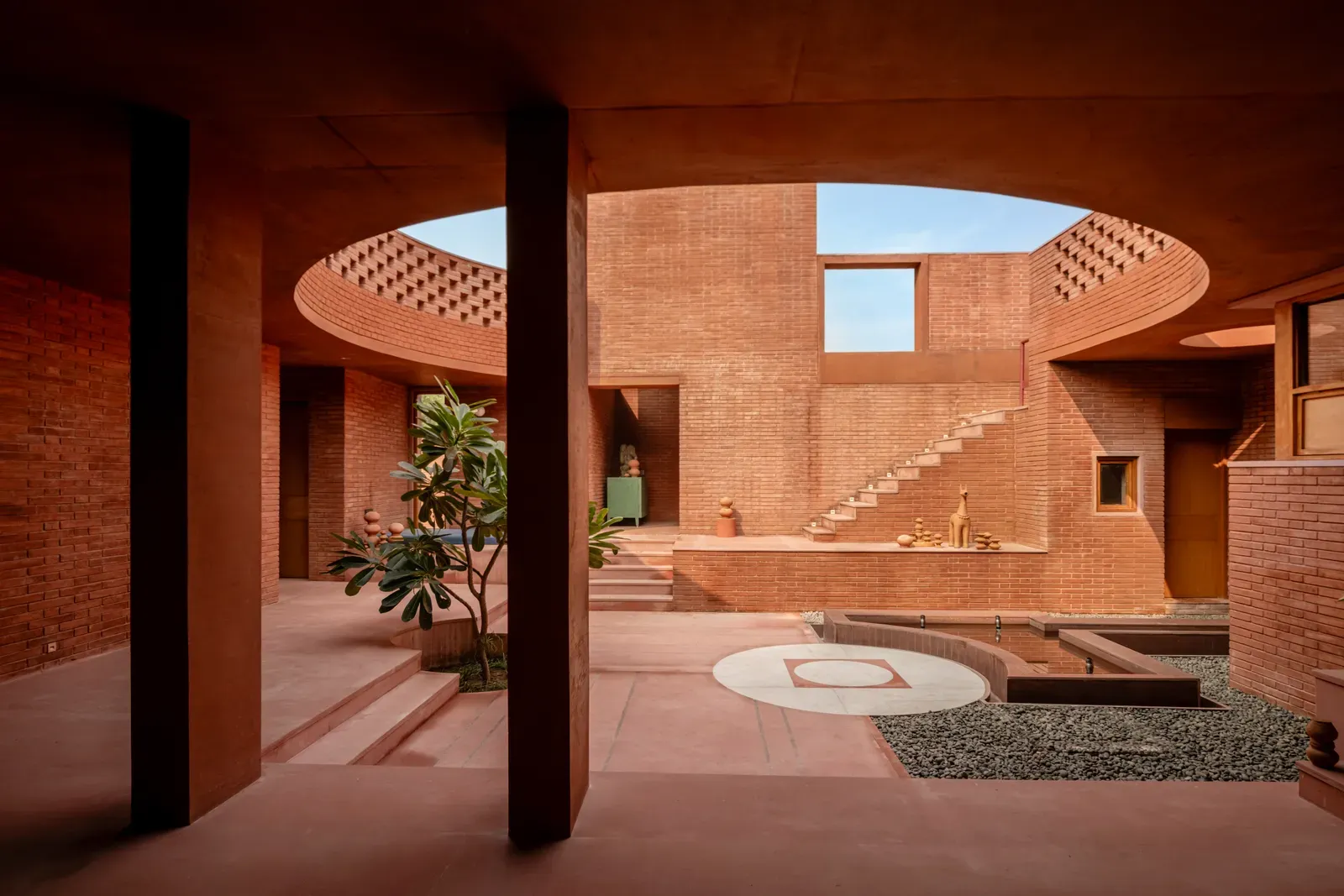
red oxide floors of Kerala homes, the intricate alpona patterns traced
in white on Bengali thresholds, the vivid Athangudi tiles of Chettinad mansions
— these weren’t decorative choices made by interior designers. They were
expressions of identity, climate, craft, and community. Every region had a
visual language, and homes spoke it fluently.
That language is going quiet.
When beige becomes the default, we lose more than visual
richness; we lose identity. The shift is partly driven by the explosion of
builder-grade apartments, where developers apply the same neutral finishes to
thousands of identical units because it offends no one and pleases no one. It
is also driven by an aspiration to look global, polished, and
Instagram-ready. Somewhere along the way, “modern” became synonymous
with “stripped back,” and stripped back became synonymous with beige.
Regional character, once a source of pride, started to feel provincial.
The impact is also psychological. Colour stimulates the
brain, shapes mood, and anchors memory. There is a reason certain hues feel
festive, certain textures feel like home, certain patterns feel inherited
rather than chosen. A generation growing up in bland environments may feel
quietly deprived of the sensory richness that vibrant, layered spaces naturally
offer. Minimal spaces, when overdone, can feel cold, sterile, and emotionally
detached — beautiful to photograph, exhausting to live in.
The cost is not only cultural or psychological. It is
economic. India’s regional craft traditions like the block printers in Bagru,
weavers in Pochampally, tile makers in Tamil Nadu depended partly on domestic
demand. When Indian consumers stop wanting what Indian craftspeople make, the
market shrinks, skills erode, and crafts quietly die. Beige isn’t just a colour
choice. At scale, it is a cultural policy with consequences nobody voted for.
None of this is an argument against minimalism. Clean lines
and calm spaces have genuine value, especially in dense, overstimulating cities
where the home needs to be a refuge. The goal isn’t to reject beige but it’s to
stop letting it erase everything else. A beige room with a single
hand-block-printed textile, a brass vessel, or a handwoven throw is not a
compromise. It is exactly what Indian design has always excelled at: layering,
mixing, and evolving without losing the thread of where it came from.
The future of Indian interiors shouldn’t be colourless. It
should be confident enough to hold both ,the stillness of modern minimalism and
the vibrancy of a heritage that has never needed to be loud to be beautiful. We
don’t have to choose between contemporary and rooted. We just have to stop
pretending that beige is neutral when, in this context, it is a choice with a
cost.
If beige is the canvas, let India be the colour.