Indian stepwells reimagined!
Indian cities don’t really have a water problem. What they have is a storage problem, a heat problem, and a design problem which are three crises we keep solving separately, expensively, and badly.
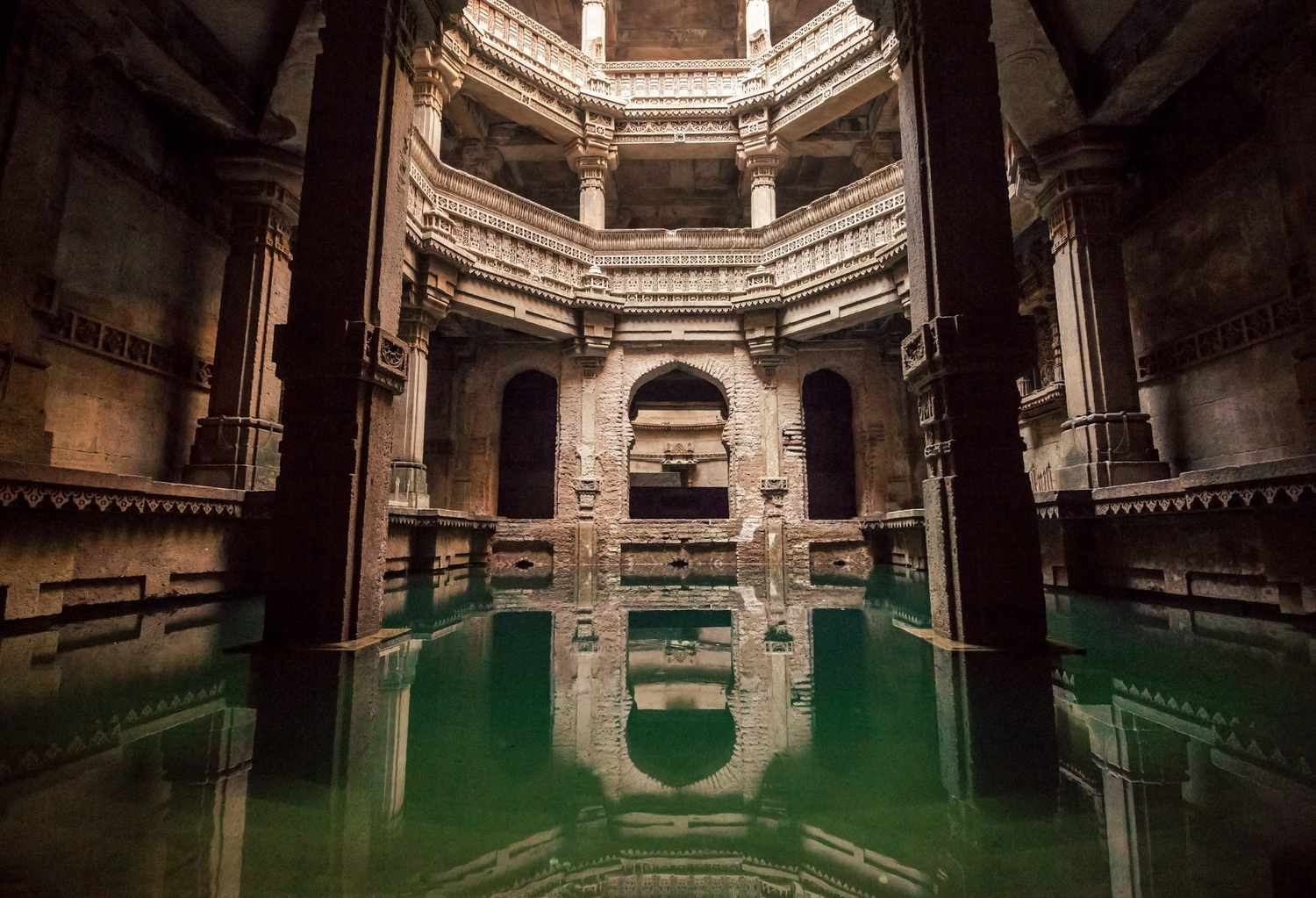
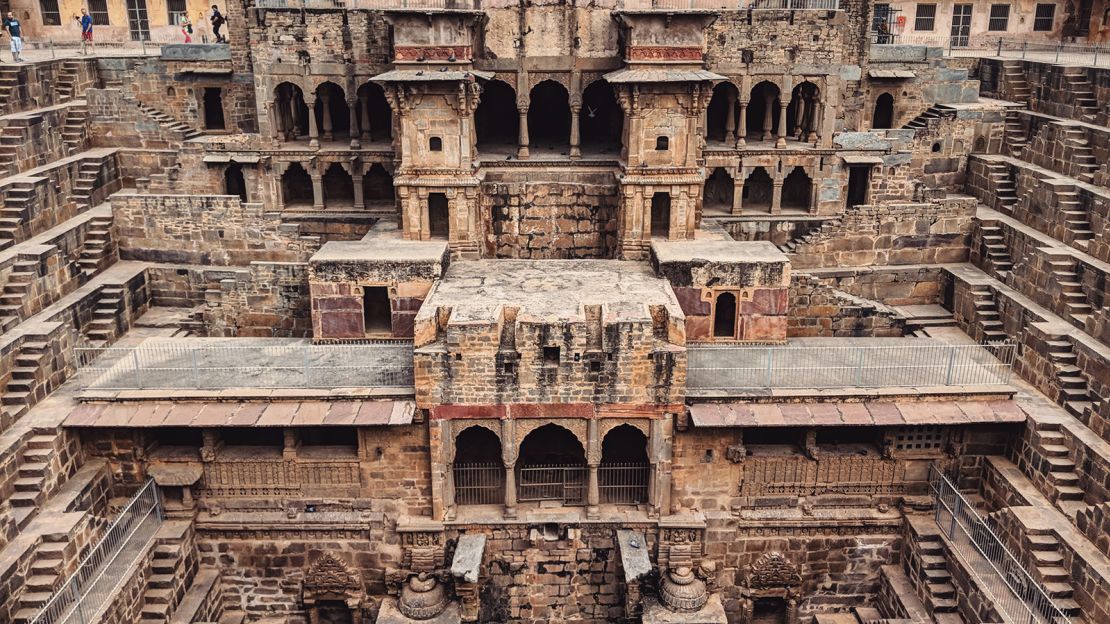
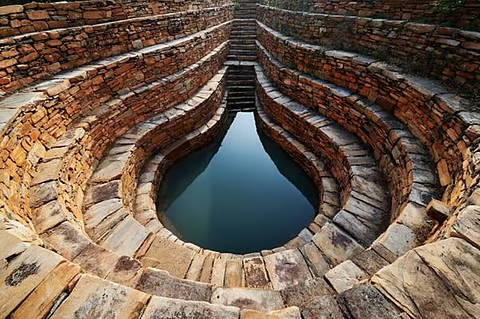
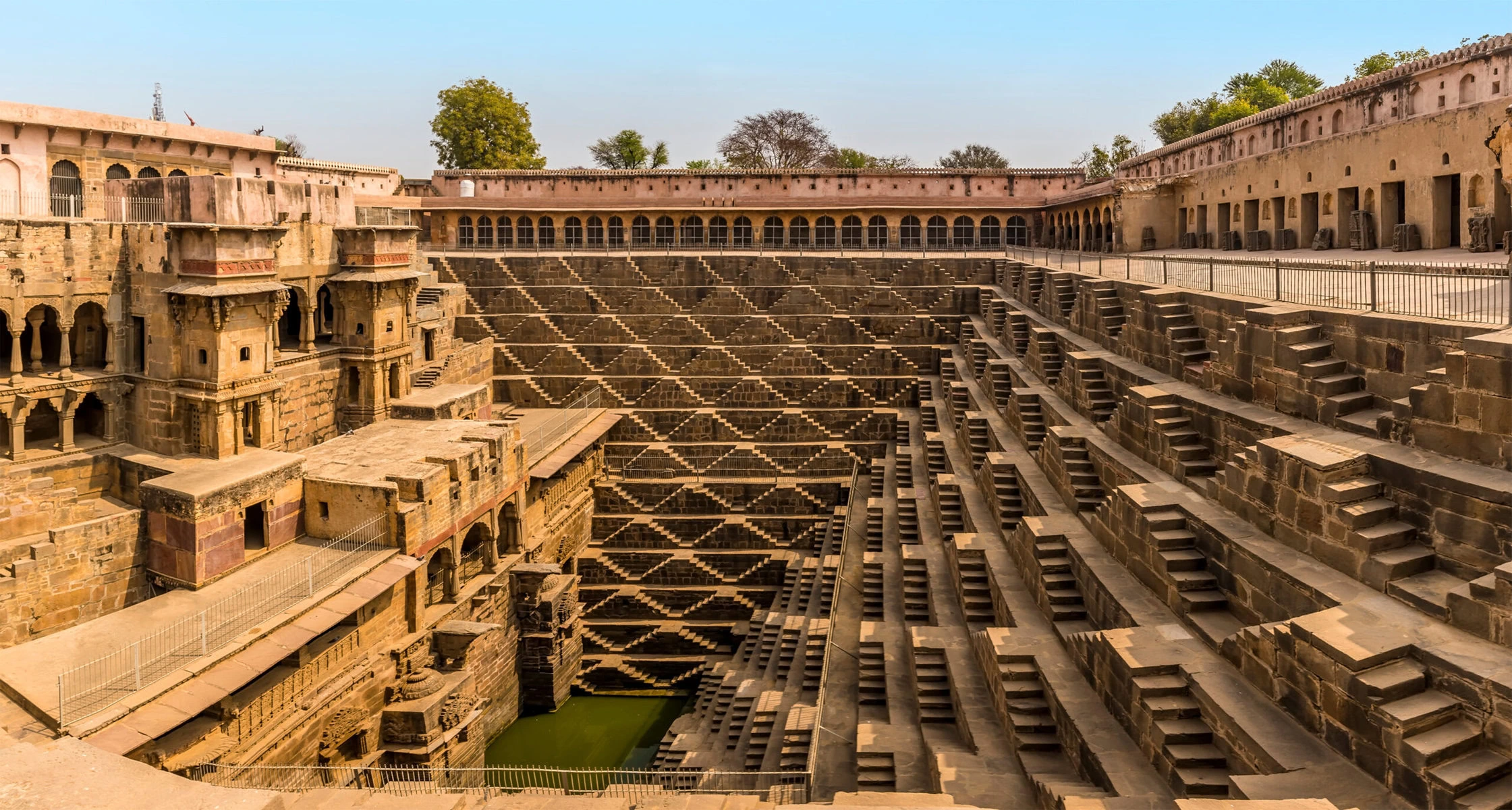
For centuries, stepwells figured all three out at once. The baolis of Rajasthan, the vavs of Gujarat these weren’t just holes in the ground with water at the bottom. They were doing several jobs simultaneously. Harvesting monsoon rain before it could escape into drains. Keeping the air around them cool enough to actually sit in during May. Giving people a reason to slow down, meet each other, exist in public without spending money. All of that, from one structure, built with stone and geometry and a very good understanding of how heat moves.
Then we decided water should be invisible. Pipes replaced channels. Underground tanks replaced open reservoirs. We took a thing that was also a place and turned it into pure function and even that function we now do poorly.
So here’s a simple question: what if we built them again, just not the way we remember them?
Not as heritage reconstructions. Not as museum pieces with plaques. As actual working infrastructure, designed for the city as it is now.
Picture a sunken plaza at a busy junction which is stepped, shaded, open to the sky but sheltered from the sun. In summer, it runs 5 to 7 degrees cooler than the street above it. Not because of any machinery, just because of depth and shade and the way the earth holds temperature. During the monsoon, it gradually fills, quietly holding the stormwater that would otherwise push through already-struggling drains. When the water recedes, the plaza comes back. People sit on the steps. Someone sells tea nearby. Children cut through it on the way home.
No pumps. No compressors. No monthly electricity bill for the cooling. Gravity and good design doing what we normally pay technology to do.
Scatter enough of these across a dense city near markets, transit stops, residential blocks and you have something genuinely interesting. Not a single piece of infrastructure, but a network that cools, absorbs, and connects at the same time.
We stopped building this way not because we found something better, but because we mistook complexity for progress. Pipes felt modern. Plazas felt old.
Turns out the old knew something we forgot.