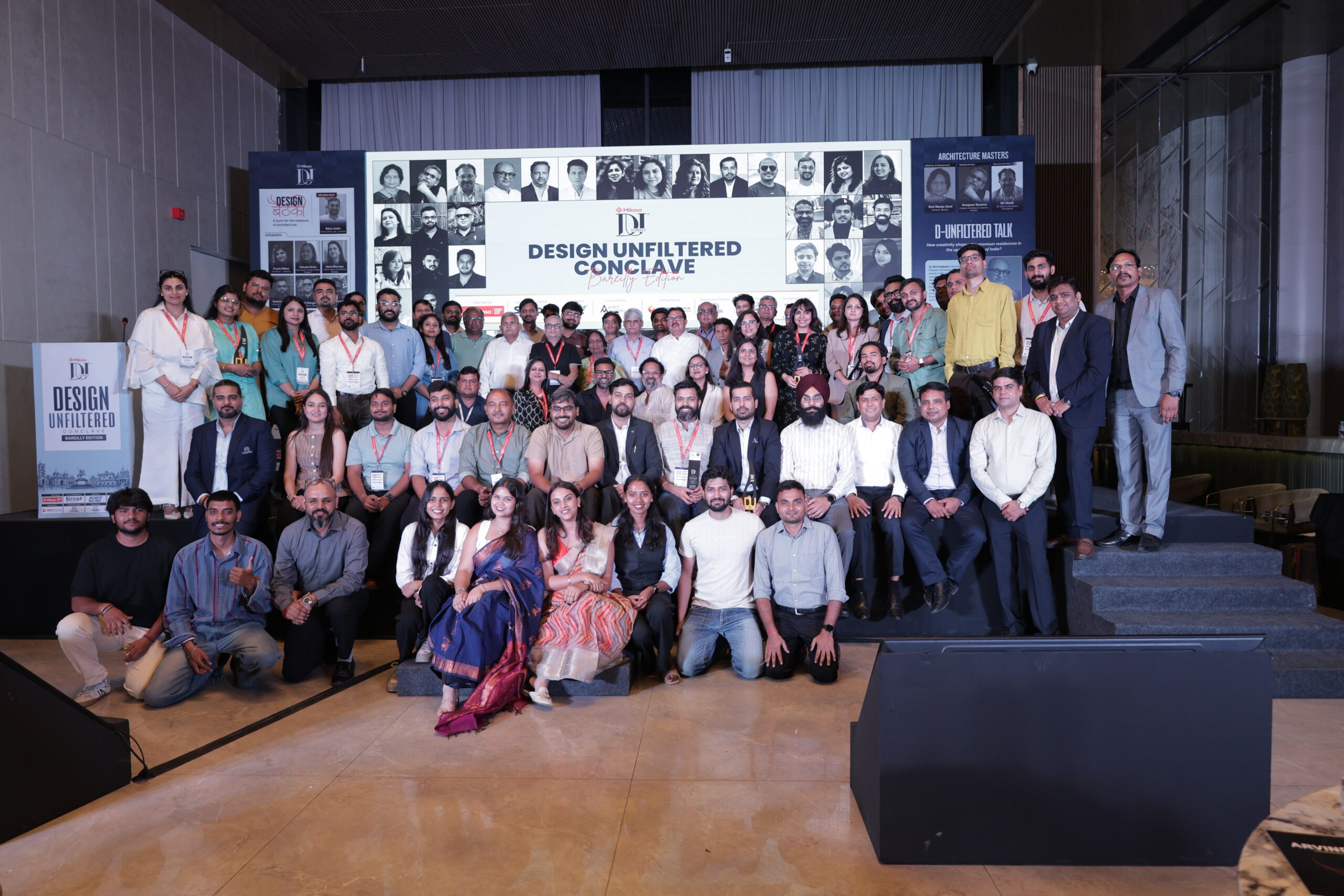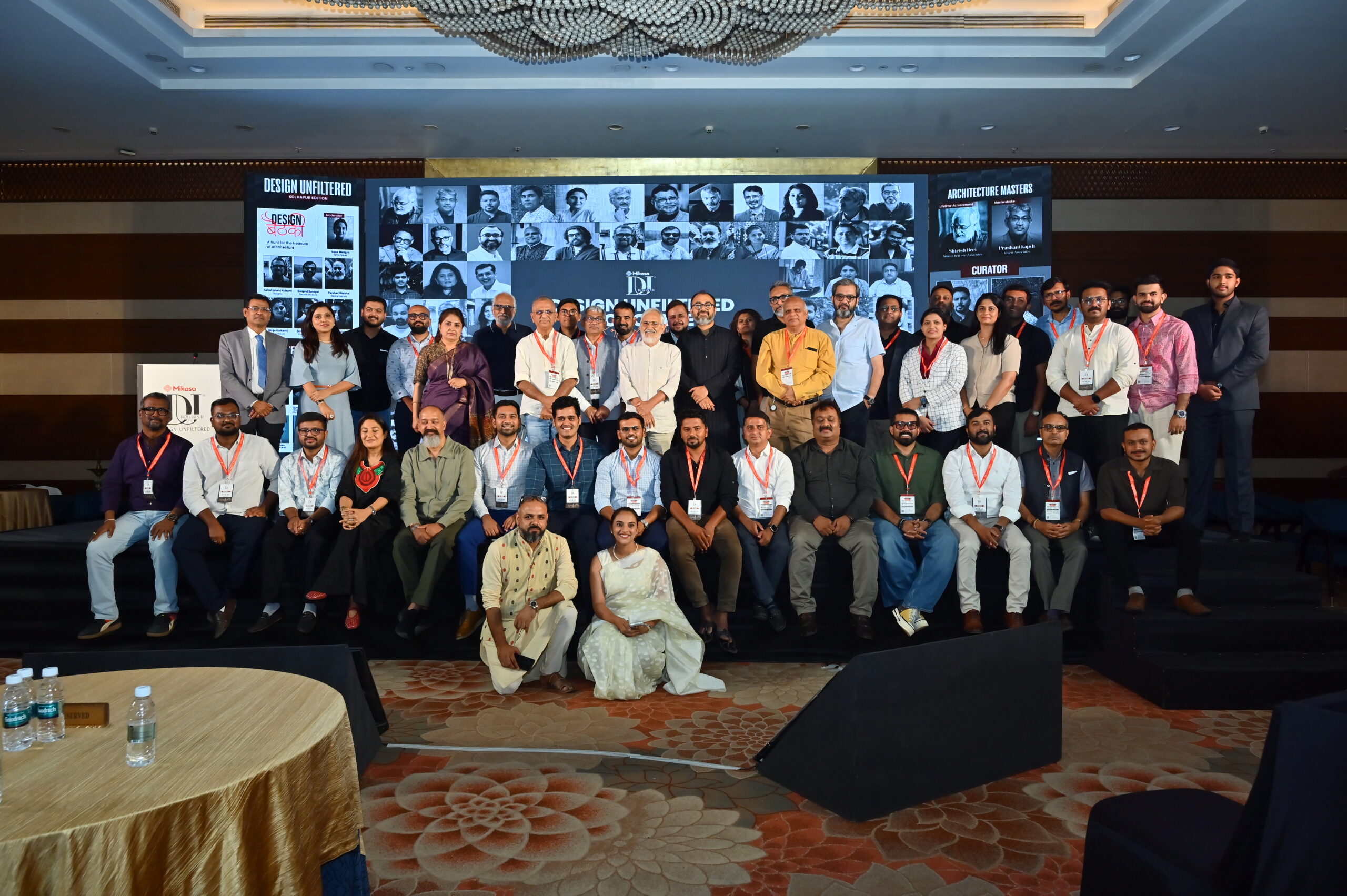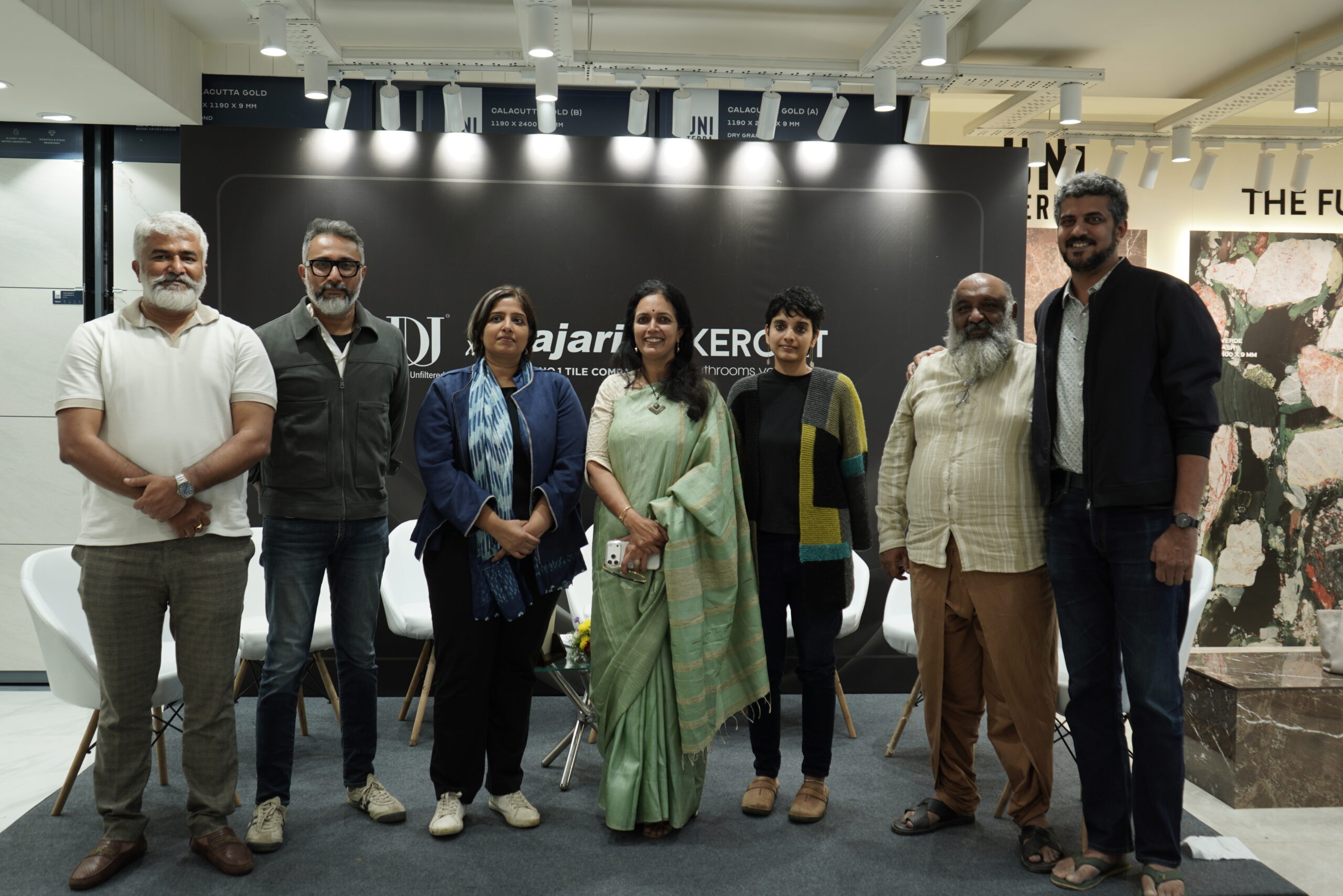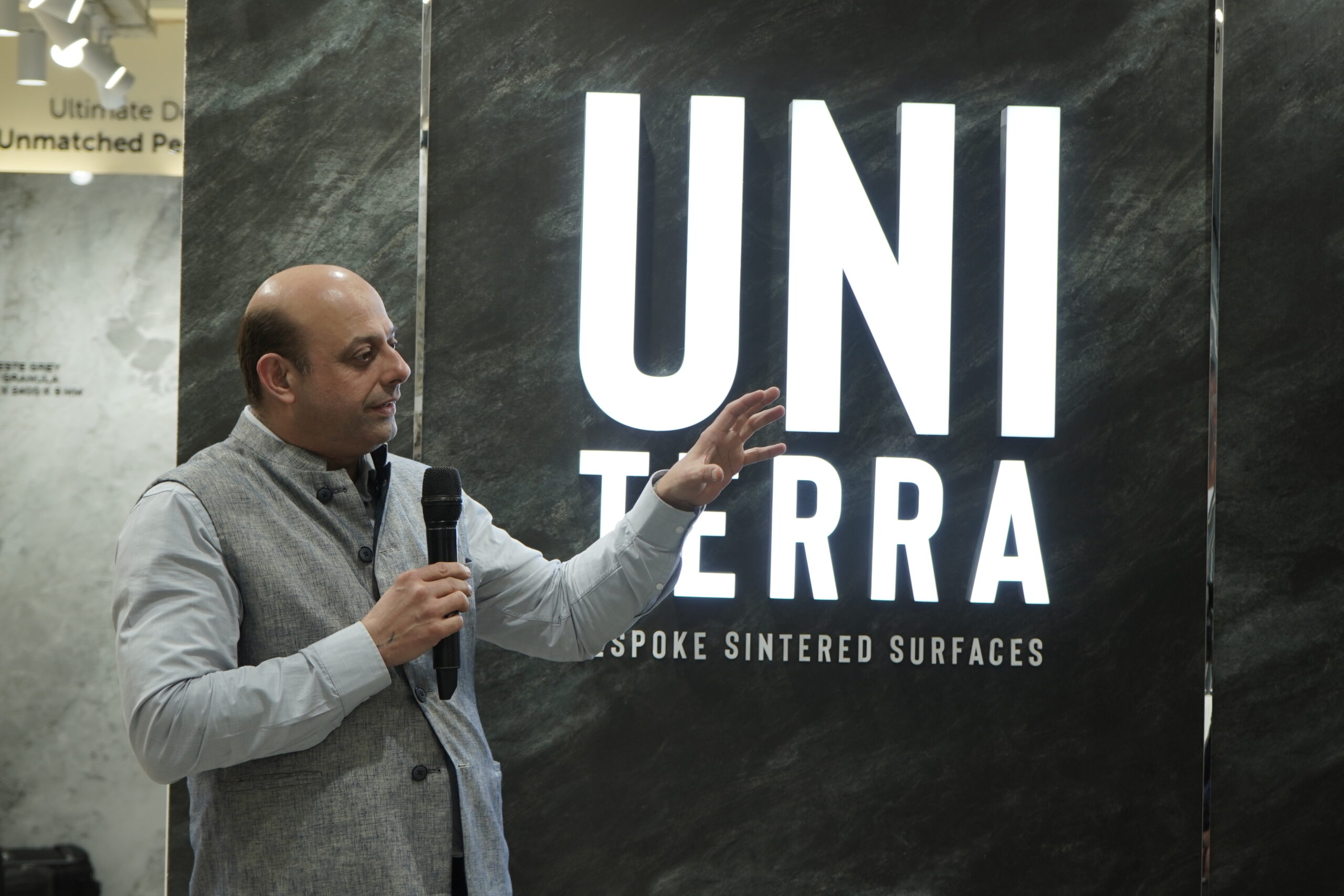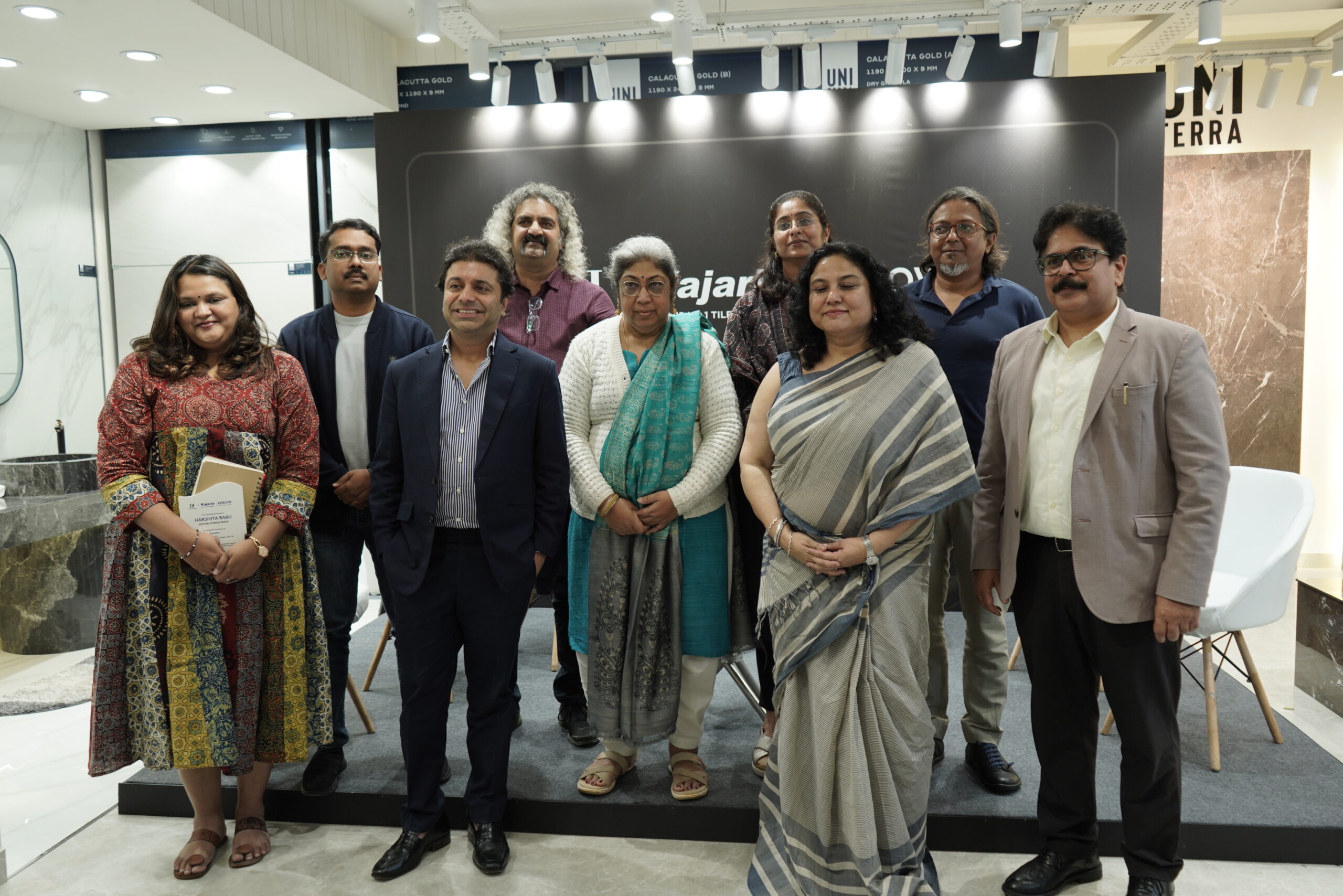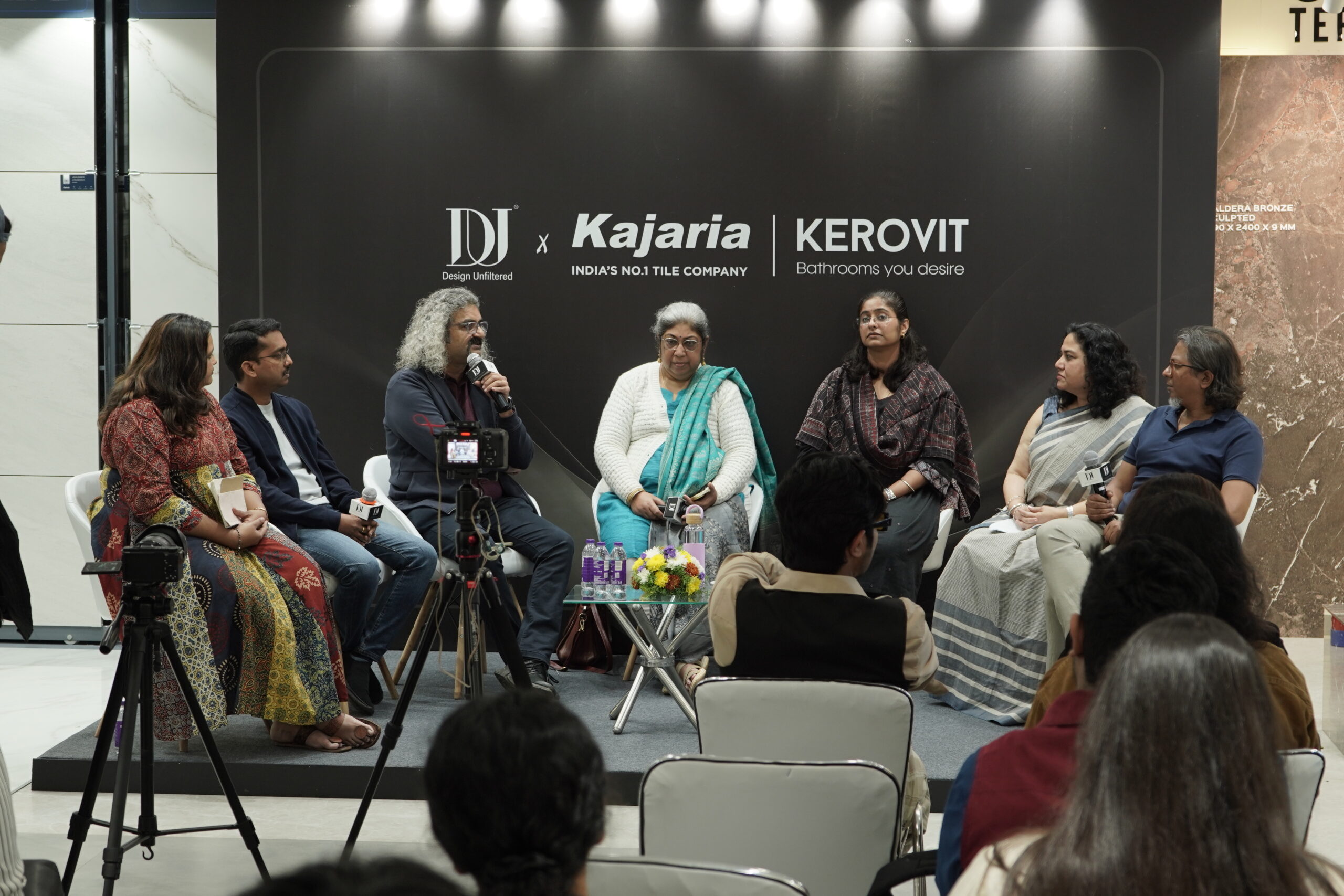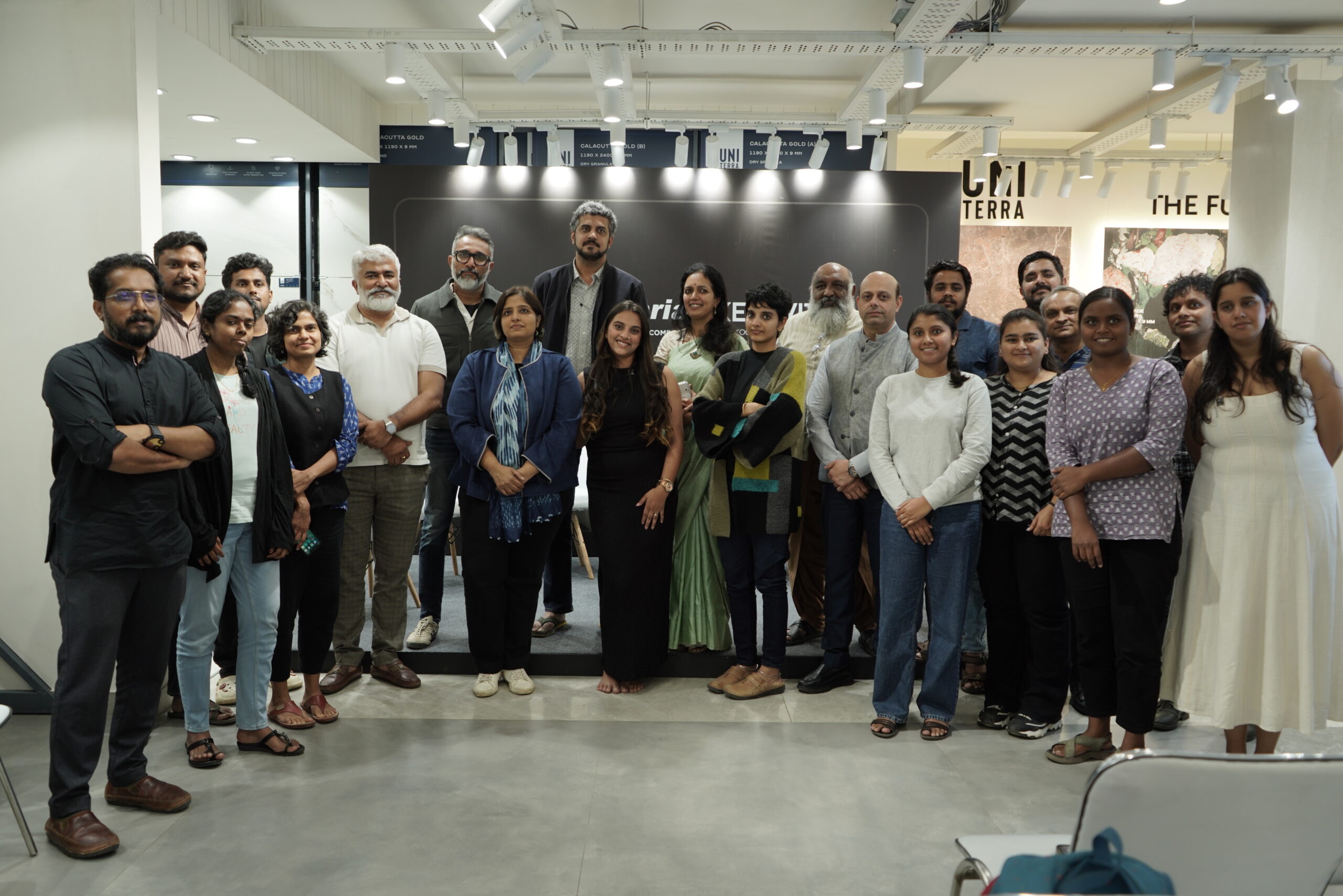
The third edition of the 26 Cities 2026 series arrived in Bengaluru—a city that continues to grow while holding on to its welcoming character. Known for its pleasant weather, vibrant food culture, and dynamic streets, Bengaluru remains one of India’s most evolving urban landscapes. For architects and designers, the city offers a compelling blend of tradition, experimentation, and forward-looking development.
Bengaluru’s architectural identity reflects this layered evolution. The city moves effortlessly between historic green spaces, institutional landmarks, and contemporary commercial structures. Places like Cubbon Park and Nandi Hills embody the city’s natural heritage, while civic icons such as Vidhana Soudha stand as symbols of its administrative and cultural history. In contrast, modern developments like the World Trade Center Bangalore reflect the city’s transformation into India’s Silicon Valley.
Against this backdrop, the Money, Material, Mindset dialogue explored the evolving realities of architectural practice. As the series progressed into its third city, the conversations grew more nuanced—shifting from theory to lived professional experience. A key reflection came from architect Pramod Jaiswal of Between Spaces, who observed that material is ultimately an extension of an architect’s ideas—an element that supports the vision rather than defining it.
The conference presented candid narratives from architects working across Bengaluru. Instead of focusing only on finished projects, the speakers shared honest accounts of professional journeys—stories of navigating economic realities, confronting challenges in practice, learning from setbacks, and steadily building meaningful work over time.
Approximately fourteen architects contributed to the discussion, bringing diverse perspectives from practice, research, and academia. Participants included Neelam Manjunath of Manasaram Architects, Swapnil Valvatkar from Collage Architectural Studio, Chetan Shivaprasad of Kham Consultants, Mini Gopinath from AUS Architecture, Gaurav Roy Choudhary of Gaurav Roy Choudhary Architects, and Manoj Ladha from Architectural Paradigm, along with several other practitioners contributing to the larger dialogue.
The conversations centered on three key themes: the economics of architectural practice, the thoughtful use of materials, and the evolving mindset of clients and consumers. Together, these factors shape the decisions architects make every day—from design intent to project execution.
Architecture students from across the city also attended the session, adding energy and curiosity to the exchange. Many participated actively, asking questions and engaging with the speakers, highlighting a growing desire among young architects to understand the realities of professional practice beyond academic frameworks.
As 26 Cities 2026 continues its journey across India, the Bengaluru edition reinforced an important idea: architecture is not only about buildings, but about the complex balance between ideas, materials, economics, and the people who shape them.