How Herbert Baker Shaped the Look of Delhi
India has always been a land of absorbing and adapting. Over centuries, waves of traders, rulers, and settlers arrived with their own beliefs, aesthetics, and ways of building and India quietly folded them into something new. One of the most visible examples of this transformation happened not in ancient times but just a hundred years ago, when a British architect named Herbert Baker helped redesign the capital of an empire.
Before the British arrived, India’s built environment was largely shaped by master craftsmen and skilled builders who worked by hand, by tradition, and by instinct. Knowledge passed from teacher to apprentice, and buildings grew organically from the land around them. The colonial period changed this. It introduced the idea of the architect who designs every detail on paper before a single stone was laid. The architect became the chief author of a building, and local craftsmen were repositioned as executors of someone else’s vision. It was a quiet but significant shift in how built spaces came to life.
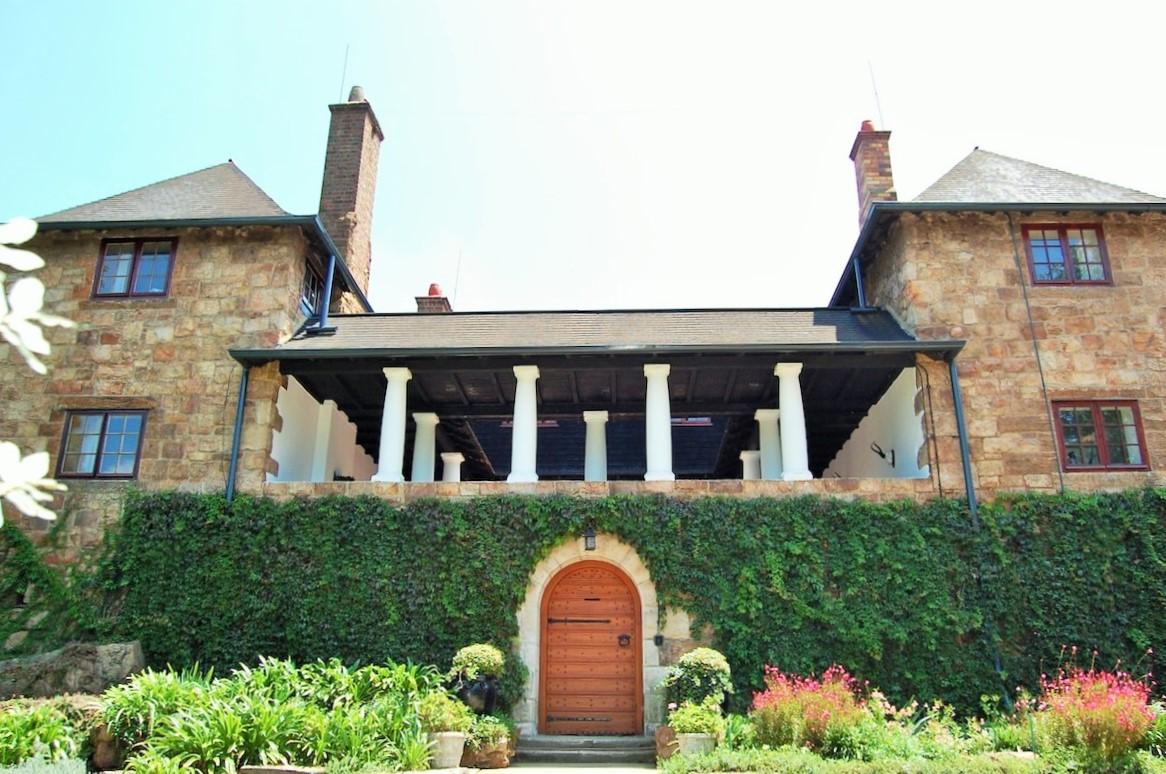
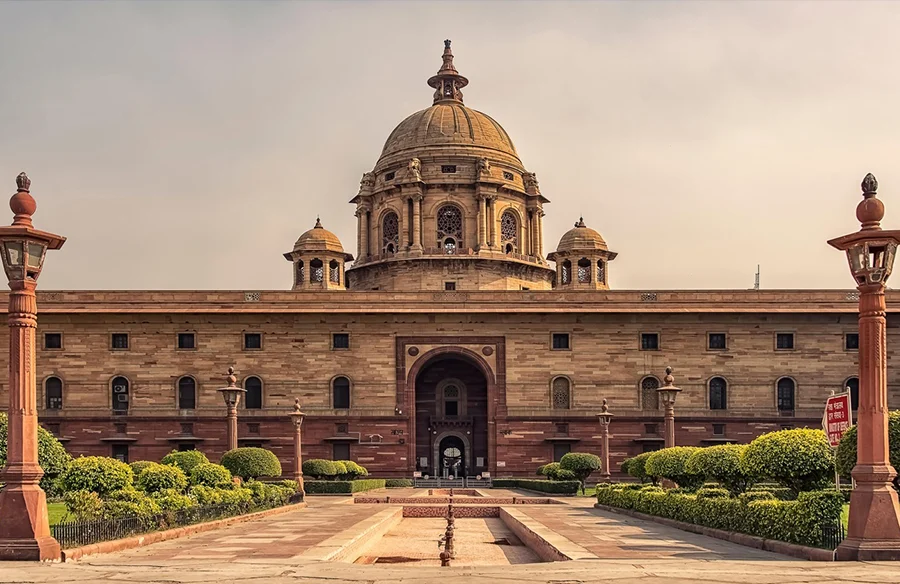
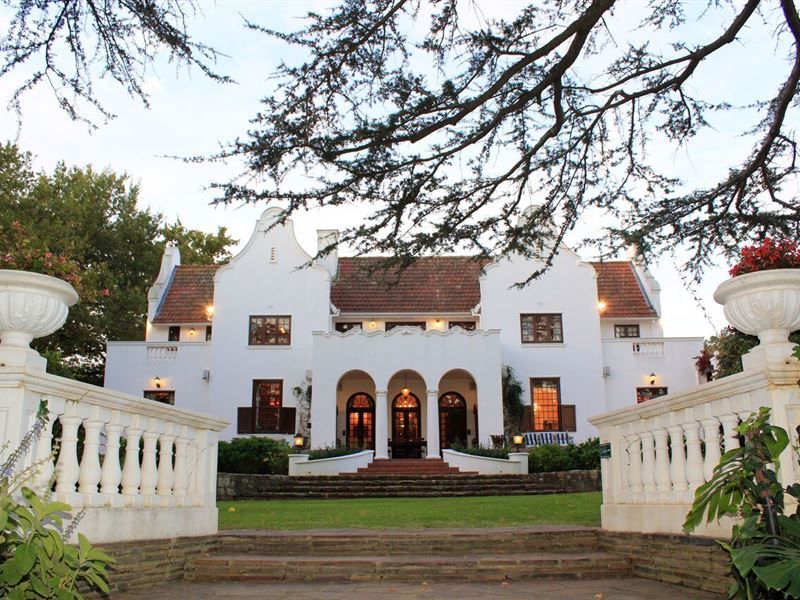
Herbert Baker arrived in India in the early twentieth century with an impressive reputation, having already shaped the skyline of colonial South Africa. In Delhi, he was tasked with something ambitious: helping to design a new imperial capital from scratch. Rather than simply transplanting European style wholesale, Baker paid attention. He noticed how the harsh Indian sun demanded shade, how the dust and heat called for thick walls and deep openings. The result was an architecture that borrowed freely from both worlds where it was both classical symmetry and grand colonnades met jaalis, verandas, and the warm tones of local red and beige sandstone.
Baker’s most celebrated contribution to Delhi is the Parliament House, known today as Sansad Bhavan. A circular colonnaded building of remarkable presence, it draws on Roman civic architecture while weaving in Indian motifs and proportions. It was designed not as a celebration of individual artistic expression, but as a statement of state power where architecture meant to convey authority, permanence, and legitimacy.
That tension sits at the heart of Baker’s legacy. His buildings are undeniably responsive to their context where they use the right materials, face the right directions, and carry the right ornamental vocabulary. But they were also instruments of empire, designed to make British rule feel natural and inevitable in a landscape it did not belong to. The local was welcomed in, but always on colonial terms.
Understanding Baker’s work means sitting with that contradiction: buildings that feel rooted, designed by hands that were passing through.